Cinema is the best concept art library you're not using
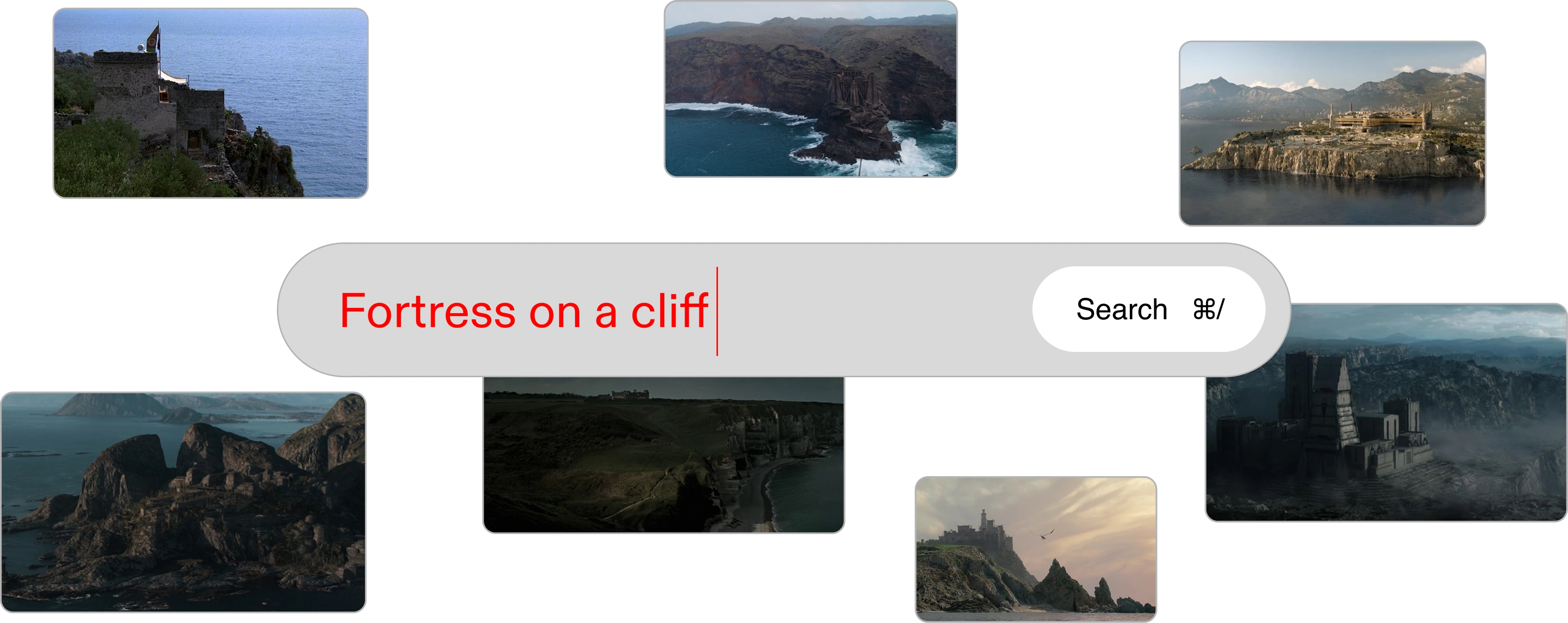
A concept artist or art director sits down in pre-production on a new title. The art bible already references the same five AAA games everyone else mined for mood last year, and the direction risks reading as derivative before a single asset gets built. The deepest, least-exhausted reference pool for tone, lighting and atmosphere has always been cinema: decades of it, not a handful of comparable games already picked over by every other studio chasing the same look. Flim makes that library searchable the way game teams already search ArtStation, by feeling, not film title.
Why game art direction keeps circling back to other games
An art bible for a new title often starts the same way: pull references from the last few AAA releases that nailed a similar tone, drop them into a shared folder, and build from there. It's fast, and every artist on the team already knows the games being referenced. It's also how three unrelated titles in the same genre end up looking like cousins of each other before any of them ship.
Film has a much longer, much deeper history of solving exactly the problems game art direction is trying to solve: how a space should feel lit, how a colour palette signals danger or safety, how a camera angle makes a character feel powerful or small. Decades of that craft exist across thousands of films, most of it never mined by another game's art bible first. The reference nobody else's art bible already has is the one that makes a world feel specific.
None of this argues for dropping other games or ArtStation as references. Genre literacy still matters: a roguelike needs to read as a roguelike, and a live-service shooter needs to speak the visual language its audience already expects. Cinema doesn't replace that. It deepens and differentiates a direction once the genre fundamentals are already in place.
The derivative risk tends to show up first in lighting and atmosphere rather than in silhouette or UI, since those are the elements most directly lifted when a team reaches for the same handful of comparable titles under deadline pressure. A wider reference pool changes what's available to reach for in that exact moment, without changing the production pipeline built around it.
It also changes what a pitch document looks like to a publisher or investor reviewing several projects in the same genre that same quarter. An art bible built from cinema reads as a deliberate, specific point of view. One built entirely from the same five comparable games tends to read as a derivative of someone else's already-funded decision.
The same problem shows up across genres, not just within one. A cozy farming sim and a survival horror title have nothing in common on the surface, but both can fall into the trap of drawing their entire tone from the two or three titles that defined the genre five years ago. Cinema's reference pool runs deep enough to find a distinct angle inside any genre, rather than one of a handful of already-claimed visual identities.
Searching for tone, not for titles
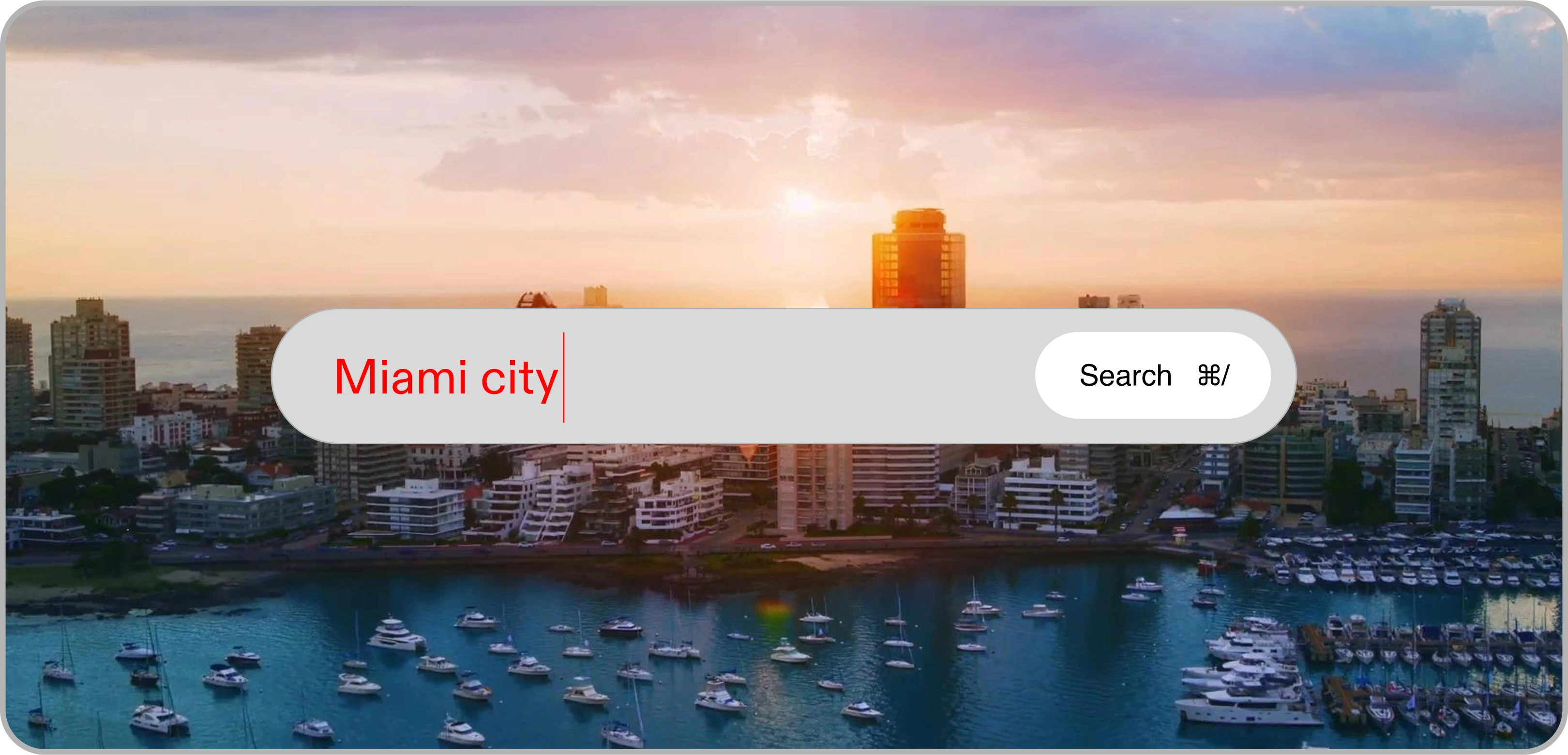
Describing a specific atmosphere or world tone is usually easier than naming the film that has it. AI Search takes that description directly: a specific kind of overcast dread, a saturated neon corridor, the particular stillness of an abandoned interior, and returns matching frames without requiring a title, director or scene reference already in mind.
An Art Director defining visual direction in pre-production uses this to test a tone against real cinematic precedent before locking it into the art bible, rather than discovering months later that the direction reads as a vague approximation of something half-remembered from a film nobody on the team can name.
A Concept Artist works the same search earlier in the process, pulling cinematic lighting and framing references directly into early sketches and exploration. A reference frame with the right key light and shadow falloff does more for an early sketch than another paragraph of art-direction notes describing the same thing in words.
The harder searches are usually the in-between ones: not quite horror, not quite melancholy, a tone that sits somewhere between dread and beauty. Searching for that combination directly, rather than trying to name a film that nails it, tends to surface frames faster than browsing a folder of bookmarked stills assembled months ago for a different project.
That same search also holds up across a long production cycle, when the original mood that sold the pitch needs to survive two years of iteration without quietly drifting. Pulling the same search again, eight months in, is a faster way to check a level's lighting pass against the original tone than asking everyone to remember what the pitch deck looked like.
It matters just as much at the very start, when a new IP still needs to convince a publisher or investor it has a visual identity worth funding. A pitch built around a precise, well-chosen set of cinematic references signals that the team already knows what the game looks like, which tends to land better in that room than a moodboard of screenshots from existing, already-released titles.

Aligning large art teams around one visual language
A title in production has concept artists, 3D artists, VFX and UI teams all working from the same intended tone, often without ever being in the same room. An Art Director aligning that many people around shared visual standards needs something more concrete than a written style guide, since two artists reading the same adjective can picture genuinely different things.
A VFX Supervisor defining tone and emotional impact for spells, explosions or environmental effects works the same way: lighting, colour and motion references communicate intent to artists and engineers faster than a description of how an effect should "feel." A reference clip showing the right kind of bloom and colour temperature removes a round of back-and-forth that a written brief usually can't close on its own.
A Game Designer working on narrative-driven sequences has a related but separate need: communicating tone, pacing and emotional beats for a cutscene or story moment, which is a conversation that benefits from the same cinematic reference pool even though the work itself isn't strictly visual art direction.
That shared board carries the same value once production is underway, not only at kickoff. A new artist joining mid-project can review the same references the rest of the team aligned around months earlier, rather than reverse-engineering the visual direction from finished assets alone.
The same is true for outsourced studios and contractors brought in for a few months on a specific milestone. Handing over a board built from real references gets an external team aligned on tone within a day, instead of sitting through weeks of internal documentation and finished-asset review just to understand what the world is supposed to feel like.
From reference to concept art
Once a board reflects the direction a team wants to explore, the Aesthetics feature can lock that direction as a style, and the same references can be pushed further with Nano Banana before committing a concept artist's time to it. Generating a handful of variations on a locked-in look gives an art director something concrete to react to, faster than briefing a sketch and waiting for a first pass to come back.
This matches a use case Flim's own licensing terms explicitly cover: concept development and moodboards, not final in-game or commercial assets. The generated images are a way to explore a direction early and cheaply, not a pipeline for shipped art.
That distinction matters because the value of generation in this workflow sits at the front of the process, not at the end of it. The actual concept art, environment design and final assets still go through the studio's own pipeline and artists. What changes is how quickly a direction gets tested before that pipeline absorbs the cost of a wrong turn.
It's worth being just as direct about what the library itself is and isn't. Flim's reference base is cinema, television, commercials and music videos, not a database of other games. A team won't find in-game footage or gaming cinematics inside it, and that's intentional: the entire value of the tool is a reference pool that hasn't already been filtered through another studio's art direction first.
The same generative step also gives a team a cheap way to compare directions before greenlighting one for full production. Two or three variations on a locked palette and lighting scheme, reviewed side by side, tend to resolve a debate about which direction to commit to faster than a written comparison of "moodier" versus "warmer," and well before a concept artist has spent real hours on either option.
How it works
Describe the tone: AI Search finds matching frames across millions of cinematic references from a description, not a film title.
Share the board: Concept art, 3D, VFX and design teams work from the same visual standard, not a written style guide alone.
Explore further: Push a locked direction into new variations before committing a concept artist's time to it.
Go further
Got
Questions?

No. Flim's library is cinema, TV, commercials and music videos. The value for game teams is using that wider, less-exhausted reference pool for tone and concept work, not a database of game content itself.
ArtStation surfaces other game art and illustration. Flim's library is built from film, a different and broader source for tone, lighting and atmosphere that hasn't already been filtered through another studio's art direction.
Yes, boards are shareable and built for collaboration across concept art, 3D and VFX teams.
Yes. It's useful for early visual exploration and mood development before committing a concept artist's time to a direction.
Both. Game designers and narrative teams use cinematic references to communicate tone, pacing and emotional beats, not only visual style.