A conversation with Jacob Parra-Mena
Jacob Parra-Mena is a surrealist filmmaker whose work drifts between the tangible and the dreamlike, crafting images that feel both dark and beautiful. With a background rooted in movement, sound, and atmosphere, his films lean into sensation over explanation, inviting viewers to experience rather than simply watch. Whether through film, sound design, or experimental imagery, Jacob builds worlds that haunt, provoke, and stay with you.
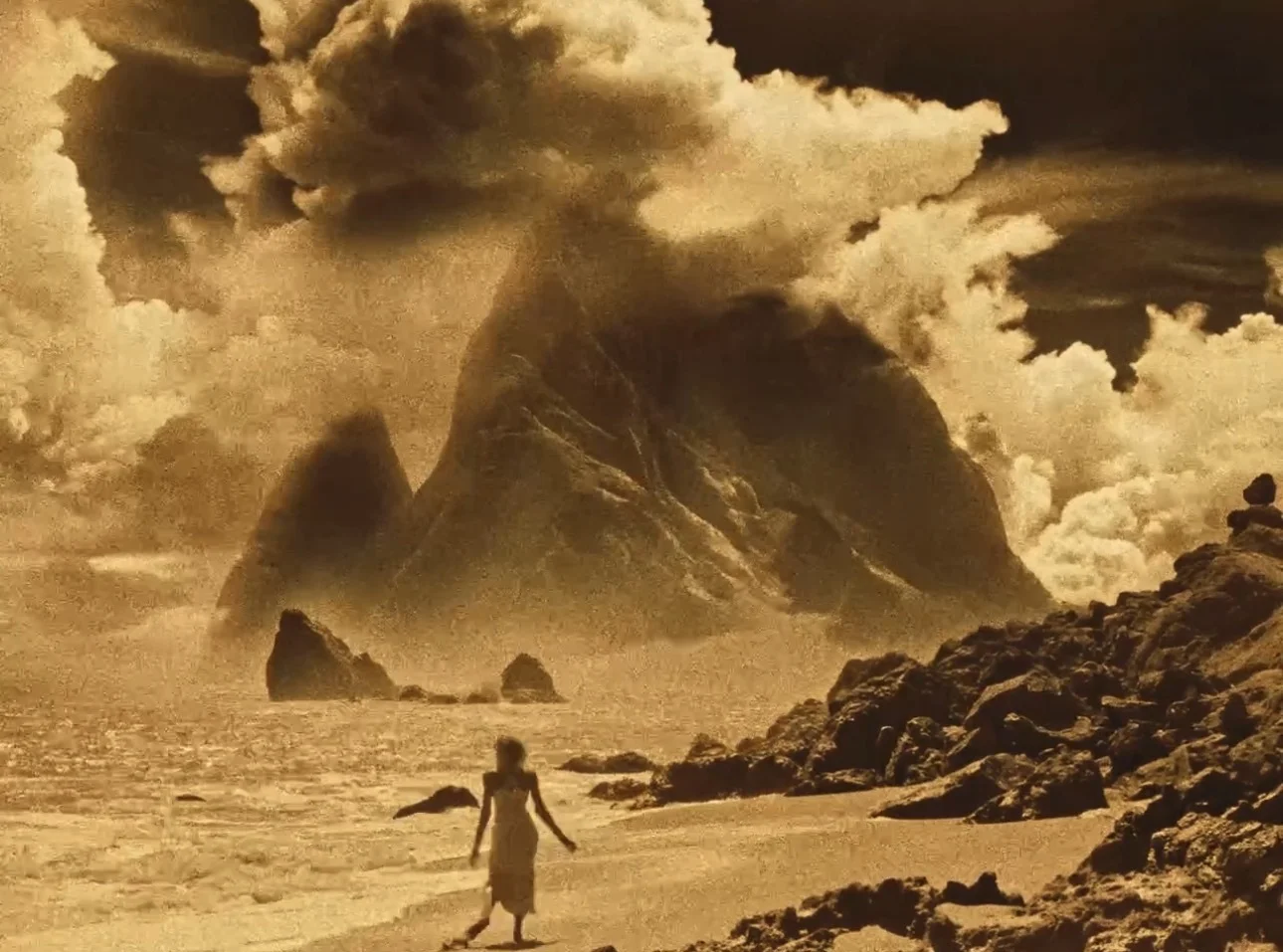
Can you share your journey as a filmmaker and how your visual style has developed over the years?
My journey as a filmmaker has felt like an everlasting documentary of my own life. All my works are a representation of where I am in life and my visual style only develops as I move through the world learning.
When you begin a new project, where do you draw inspiration from, and how does a platform like Flim help you explore those ideas?
Flim gives me the artistic freedom to discover from the unlimited database they have. This type of platform feels like an artist heaven. I have the ability to study film, or just look at beautiful frames all in one place.
When did you first start experimenting with AI tools in your creative process?
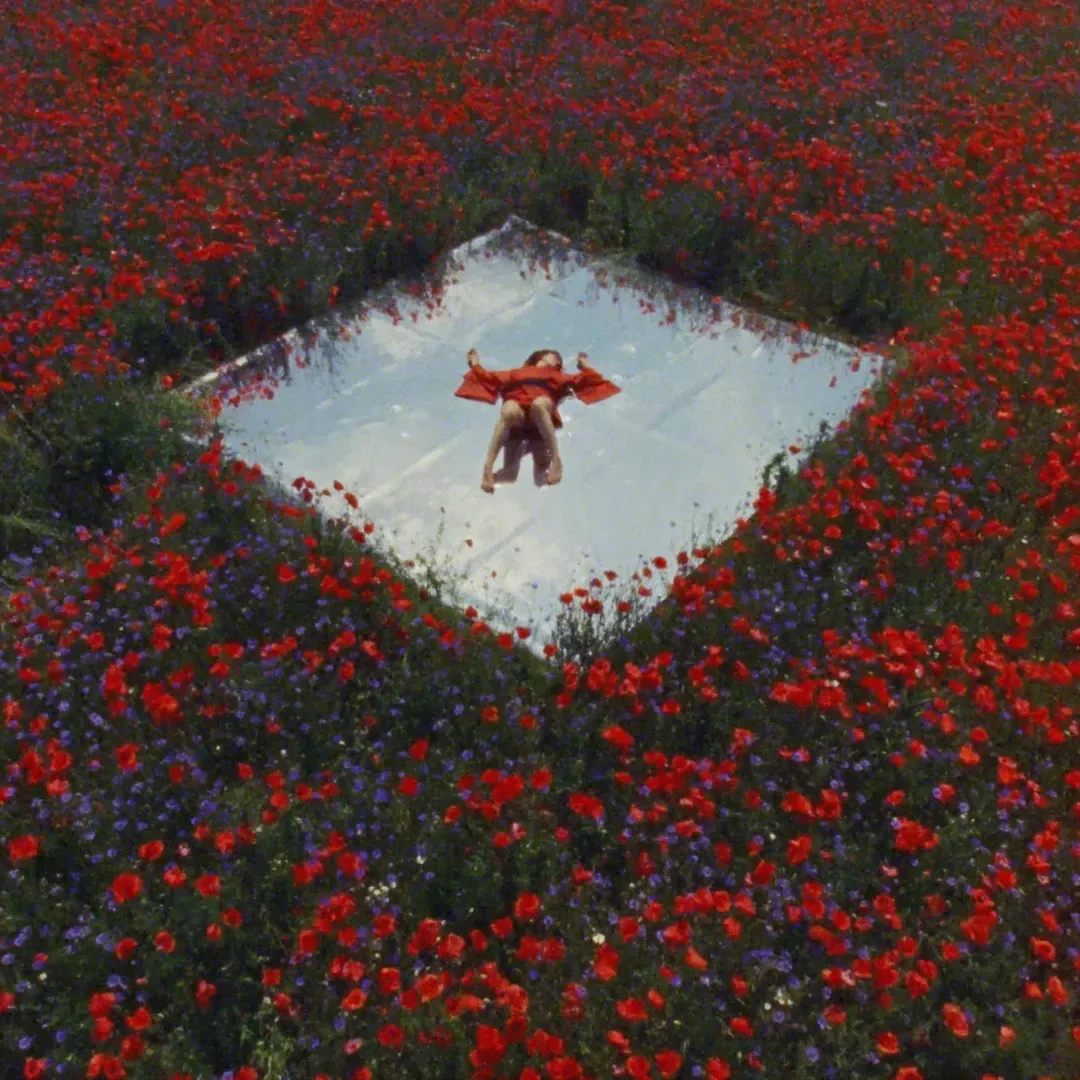
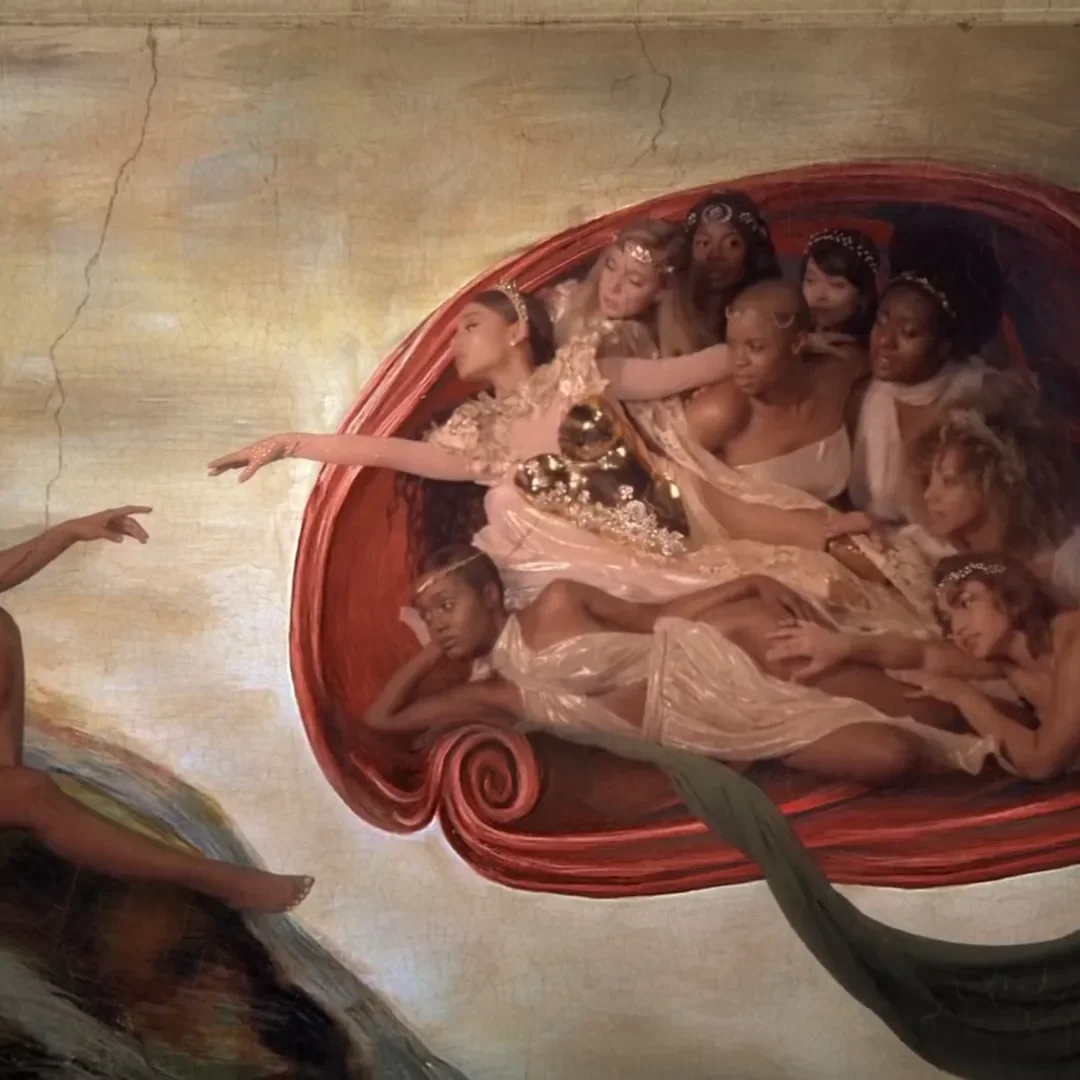
I’ll take 5 different images from random films and combine them together to create what I want to see. This helps with the screenplay, script and overall look of the story.
Could you give an example of a scene or concept where Flim played a key role?
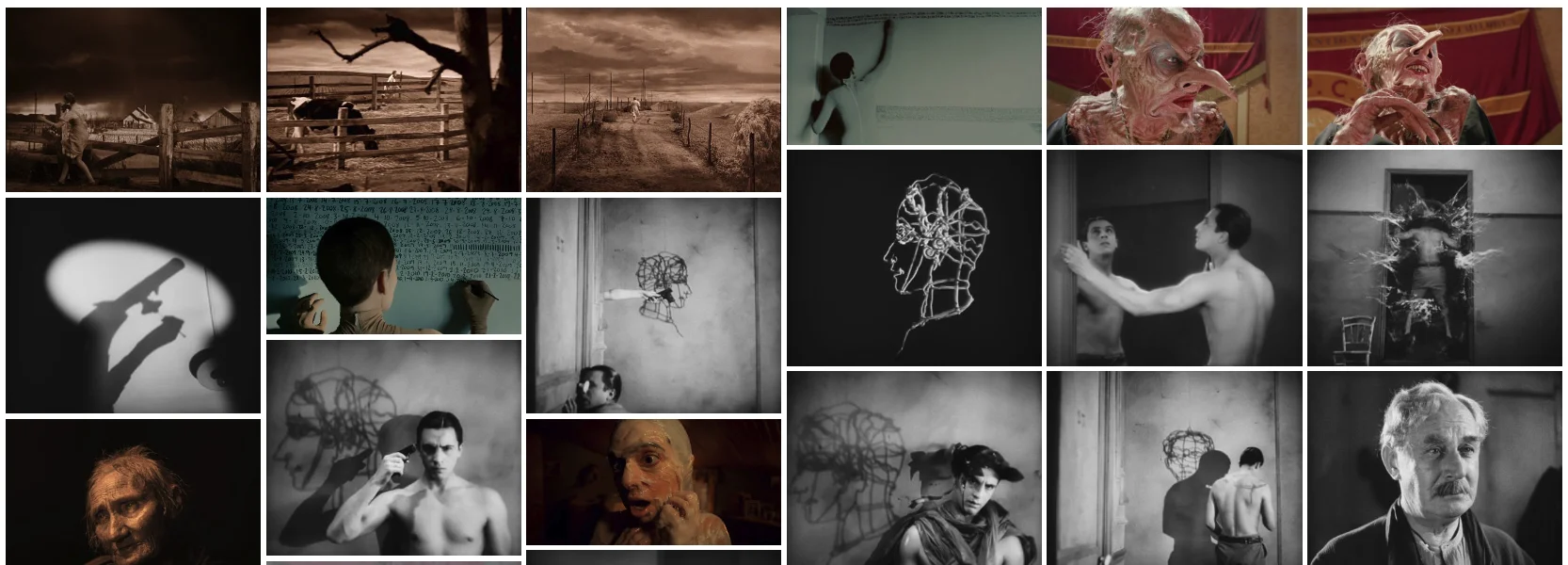
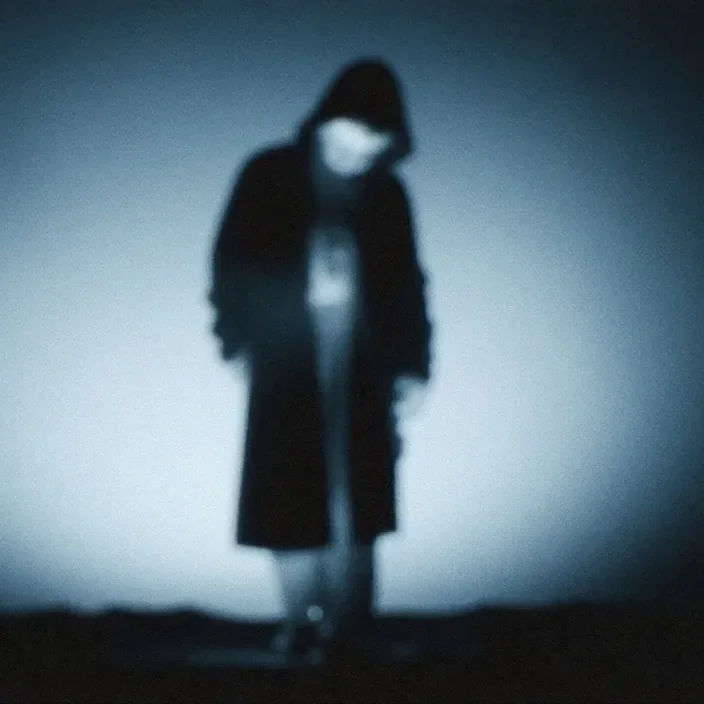
I was scrolling on Flimjust researching old films and came across Jean Cocteau’s “The blood of a poet” and that’s what my “War is Fallacy” film is inspired by.
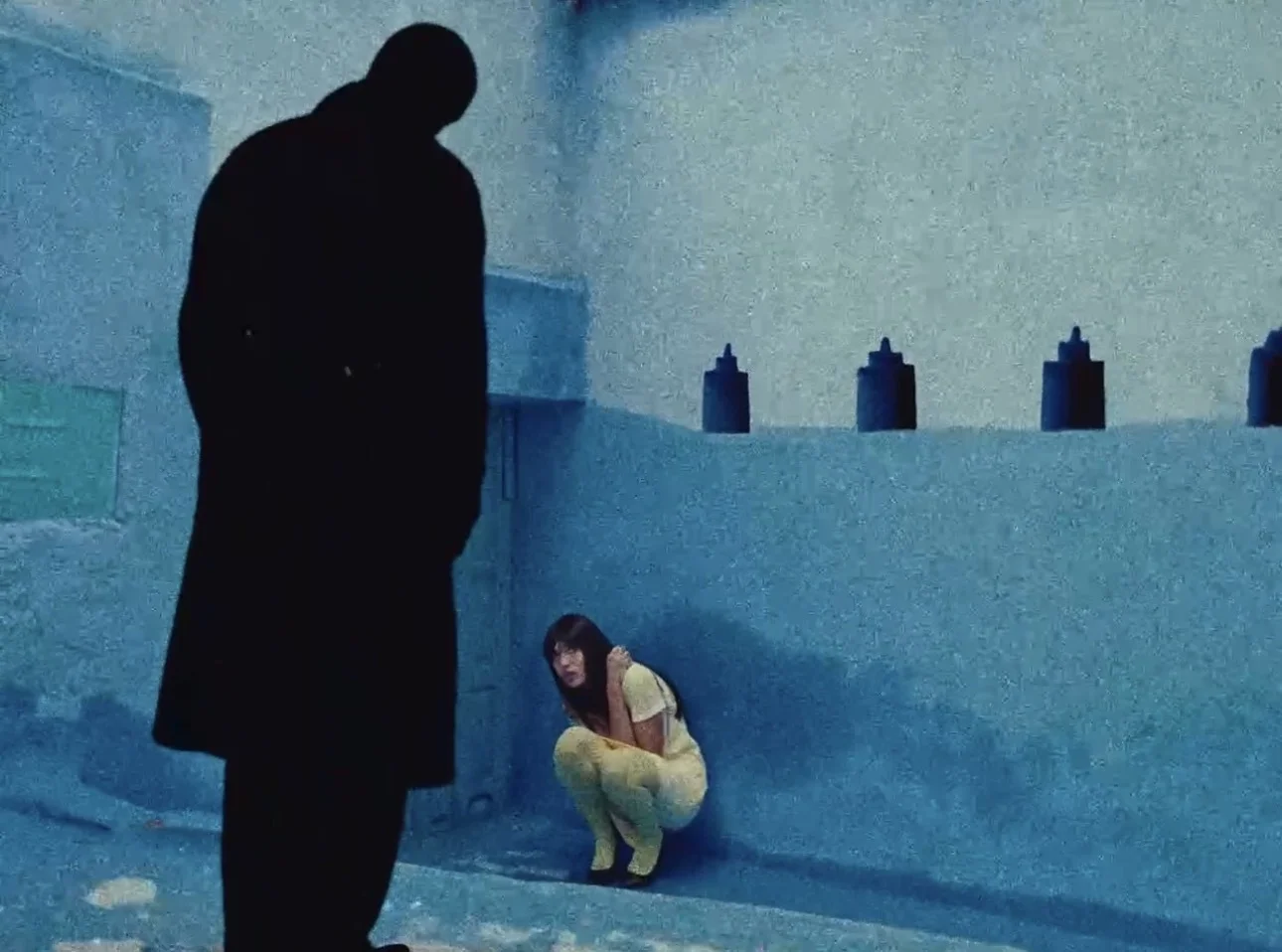
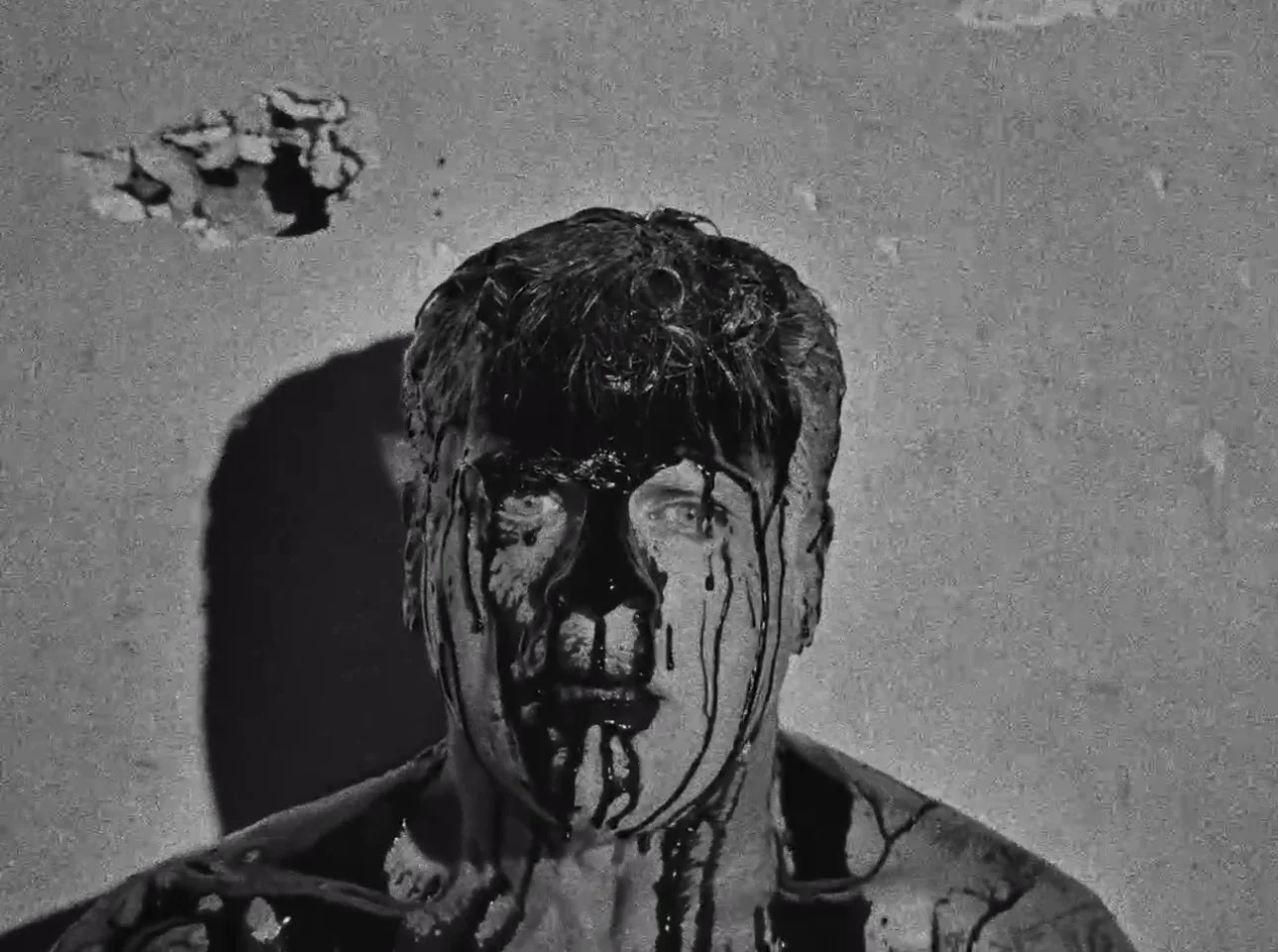
How do you decide which elements to enhance with AI and which to create using traditional techniques?
When creating something from zero, it’s often a necessity to combine both. I’d say the AI element is most used when I need to envision what the final product will look like, then I use traditional techniques to get to my end goal.
For filmmakers who are curious but hesitant about AI, what advice would you give them to get started?
It’s a major tool that lets any filmmaker have the ability to make any atmosphere that they’d like. The location of any film is half the battle when it comes to a good movie, and being able to use your imagination and use AI to have unlimited access is a huge step in independent filmmaking.
Looking ahead, what are you excited to explore next in your work, and how do you envision tools like Flim supporting your creative journey?
Flim will continue to support my work because of the smooth workflow that is created for us filmmakers. They are artist friendly and want to always be better prepared for the ones to come. Even for editors, reference images are more important than ever before so having this kind of access to so many films is truly a blessing.
Got
Questions?

A surrealist filmmaker who crafts dark, beautiful, and dreamlike visuals, prioritizing movement, sound, and atmosphere over traditional explanation.
His film War is Fallacy, which was inspired by Jean Cocteau’s The Blood of a Poet.
He combines five random film images to build a single composite reference, which guides the screenplay, script, and aesthetic.
As an expansive reference database to study cinema, explore beautiful frames, and build visual moodboards.
He uses AI to envision the final look and location atmosphere early on, then relies on traditional filming techniques to execute the final goal.