A conversation with Andres Santana
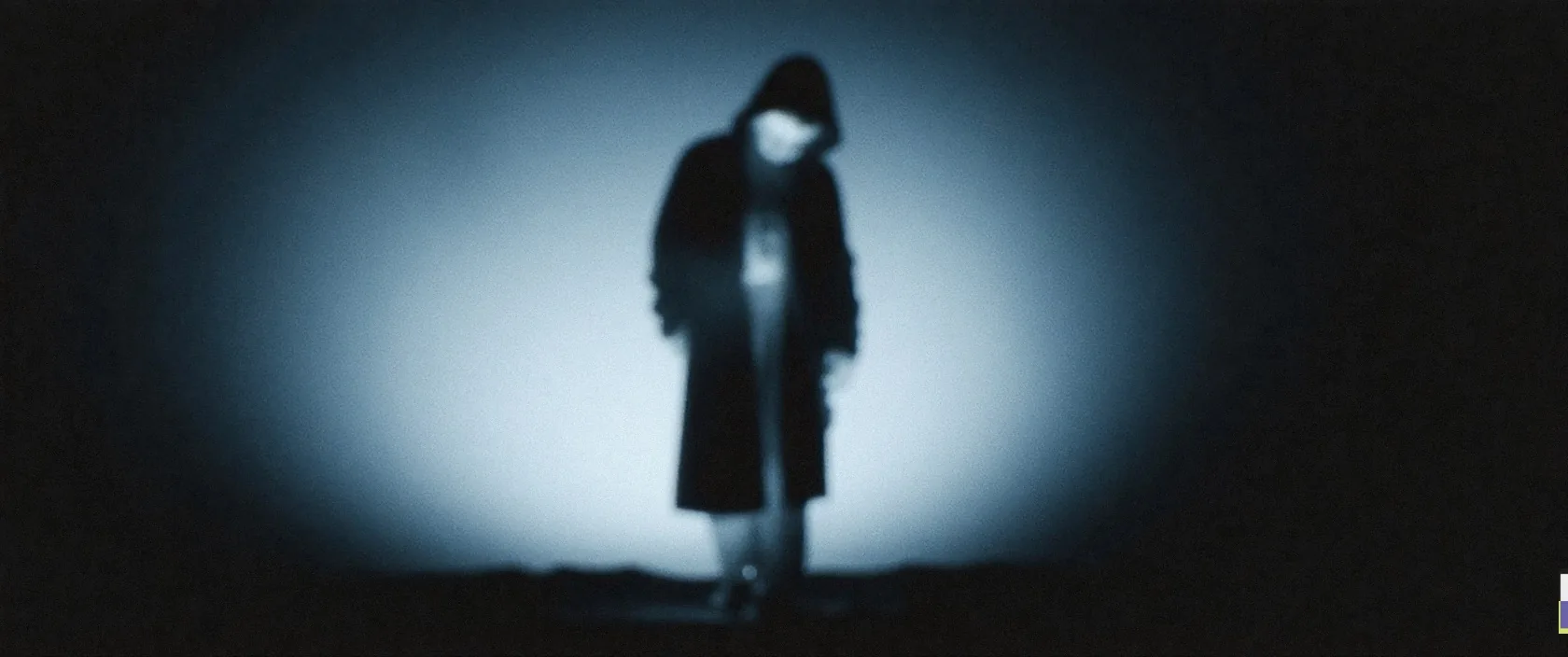
Andres Santana is a US-based art director and multidisciplinary creative, and the founder of RESAMPL. Flim spoke with him about his self-taught path and how references shape his design work.
YOUR CREATIVE JOURNEY
Can you tell us a bit about your creative journey and what drives your artistic vision?
I grew up in the early 2000s, running around with neighborhood kids, back when you had to knock on doors to see who was home. Being raised by immigrant parents, a creative career wasn’t really seen as a path, it was more of a hobby. I got into graphic design after high school, just out of curiosity. Over time, I found myself drawn to printed matter, editorial design, and typography. That eventually led me to build RESAMPL, a design resource company, and AND2ES, my creative practice.
I didn’t follow any traditional path, no design school or step-by-step plan. My process has always been rooted in experimentation. I just want to make things. A lot of things. I want to design furniture, spaces, maybe even music. For me, it goes way beyond graphics. I tend to follow whatever pulls me in, whatever I can get lost in. I don’t overthink it or try to dissect why I like what I like. I move based on what feels right in the moment, and that’s always kept me aligned.
What does your process typically look like when starting a new project?
It usually starts with a question or a problem I’m trying to work through. I’ll start pulling references, jotting down notes, and poorly sketching out ideas. I move slowly and revisit things often, sometimes it takes days, even weeks, to finally get an epiphany.
I’m a perfectionist, so I’m constantly refining, reorganizing, reworking. Changing things helps me move forward, it’s how I rule out what doesn’t work. I naturally think in systems - modular, flexible, built to grow. I want everything I make to feel like it can evolve, get remixed, or be part of something bigger.
YOUR TAKE ON AI TOOLS
When did you first start experimenting with AI tools in your creative process?
Around mid-2023. At first, it was just curiosity, but then I realized how much faster it made testing ideas. Now, I use it all the time, even when I’m not at my desk. I’ll be out running around, and by the time I’m back in the studio, I’ve already explored five different concepts. It just makes my creative process way more fluid.
How do you choose which tools to use, and what role do they play in your projects?
I look for tools that understand direction, like ones that don’t just generate random stuff, but help me build toward something. The UI matters a lot, too. I’m a designer, so if the interface feels clunky or uninspired, I’m probably not using it. I want tools that feel intuitive, clean, and built for creatives. Some tools help with moodboarding, others with copy or rendering concepts.
How do you balance your personal voice and vision with using tools that can generate or suggest content?
I never take it at face value. Maybe I haven’t fully mastered how to talk to AI yet, but I don’t let it finish ideas, I let it spark them. I take what it gives me, chop it up, and layer my voice on top. That’s how I stay in control of the vision.
YOUR CREATIVE TOOLKIT
How did you come across Flim, and how does it fit into your creative toolkit?
I found Flim while digging through Are.na for design resources. The way it organizes visual content is super satisfying. What sold me, though, was being able to search by similar images or even by color; it just makes moodboarding way easier. Now it’s a go-to in my early creative phases. It's huge for ideation and reference gathering.
LOOKING AHEAD
What excites you most about where creative technology is heading?
The idea of creative tools becoming more context-aware. Not just generating random images, but understanding your intent, references, and helping you build faster without losing your voice.
What would your ideal creative tool look like in the future?
Something that blends AI, UI/UX, and design systems into one adaptive interface. A tool that knows your brand language, suggests assets in real-time, and helps you build ecosystems, not just outputs.
TIPS FOR GETTING STARTED
Any advice for other artists who are curious about using AI but unsure where to begin?
Start small. Don’t overthink it. Try AI for just one part of your process, like ideation or sketching. Once you see how it fits, it feels way less intimidating. Just remember: AI’s here to help you create what resonates with you.
And finally: what’s next for you? Anything exciting on the horizon you can share?
I’m working on expanding RESAMPL into a full ecosystem - toolkits, education, and systems for design studios, agencies, and cultural builders. A big part of that is integrating AI toolkits to help creatives better navigate how AI fits into their workflow, without losing their voice or vision.
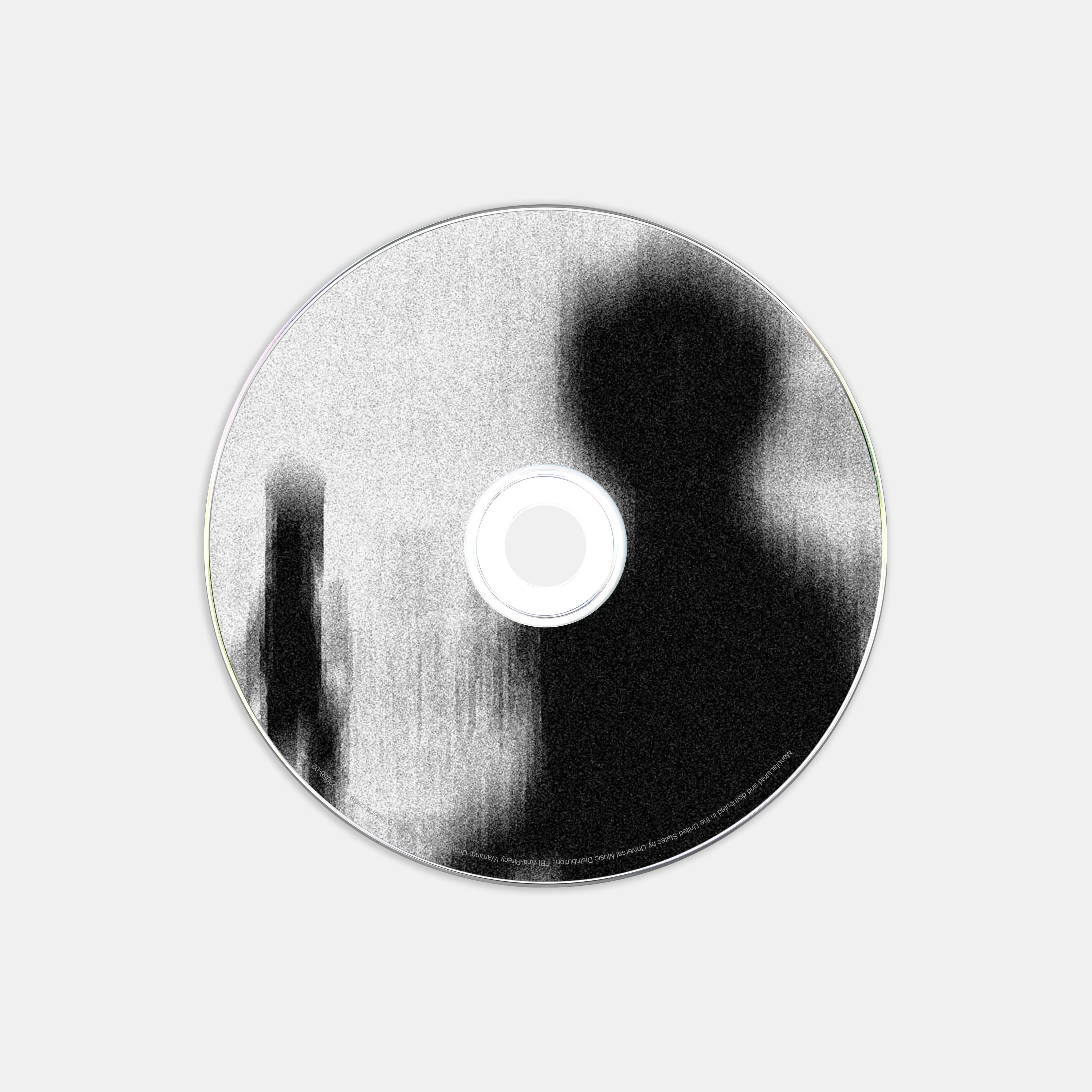
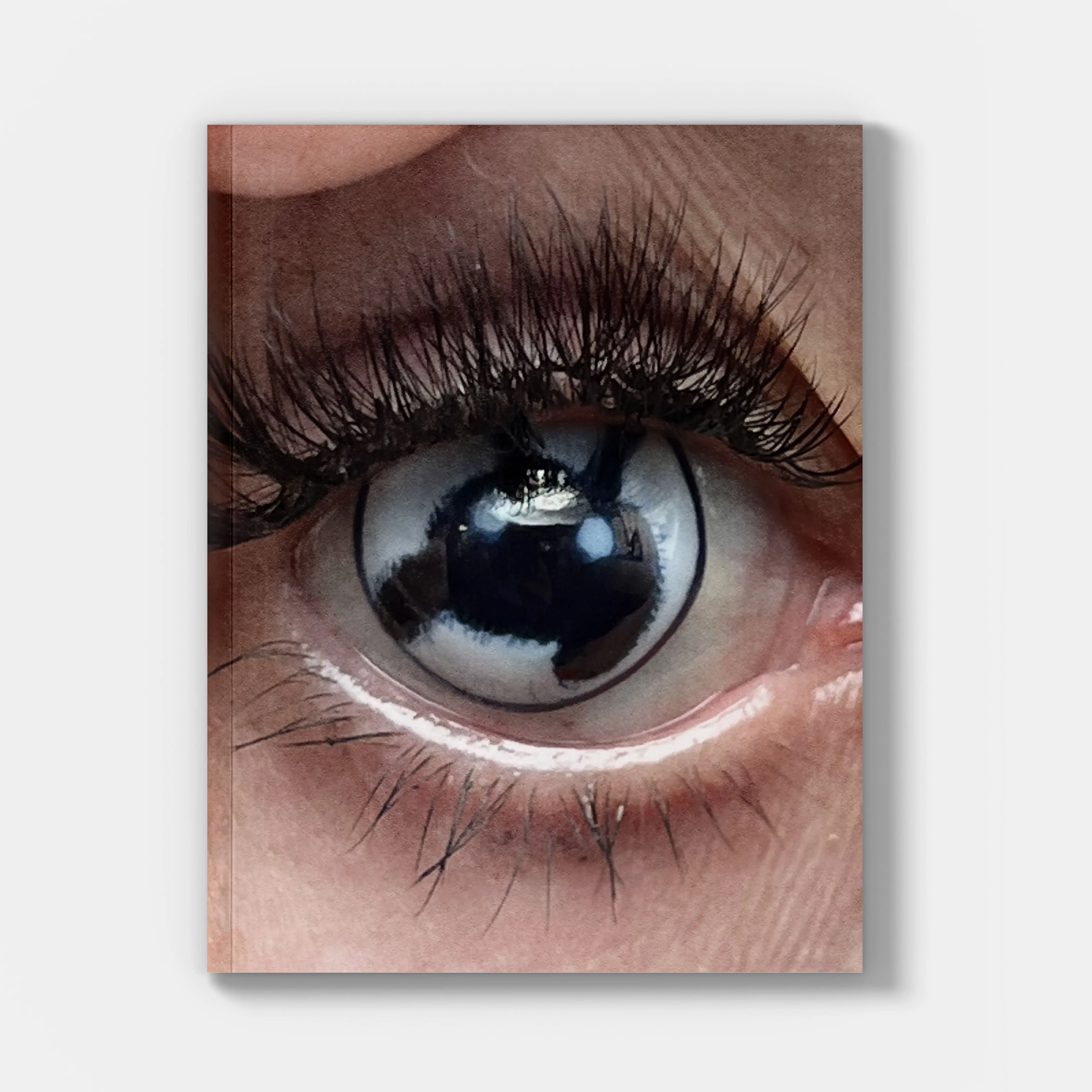
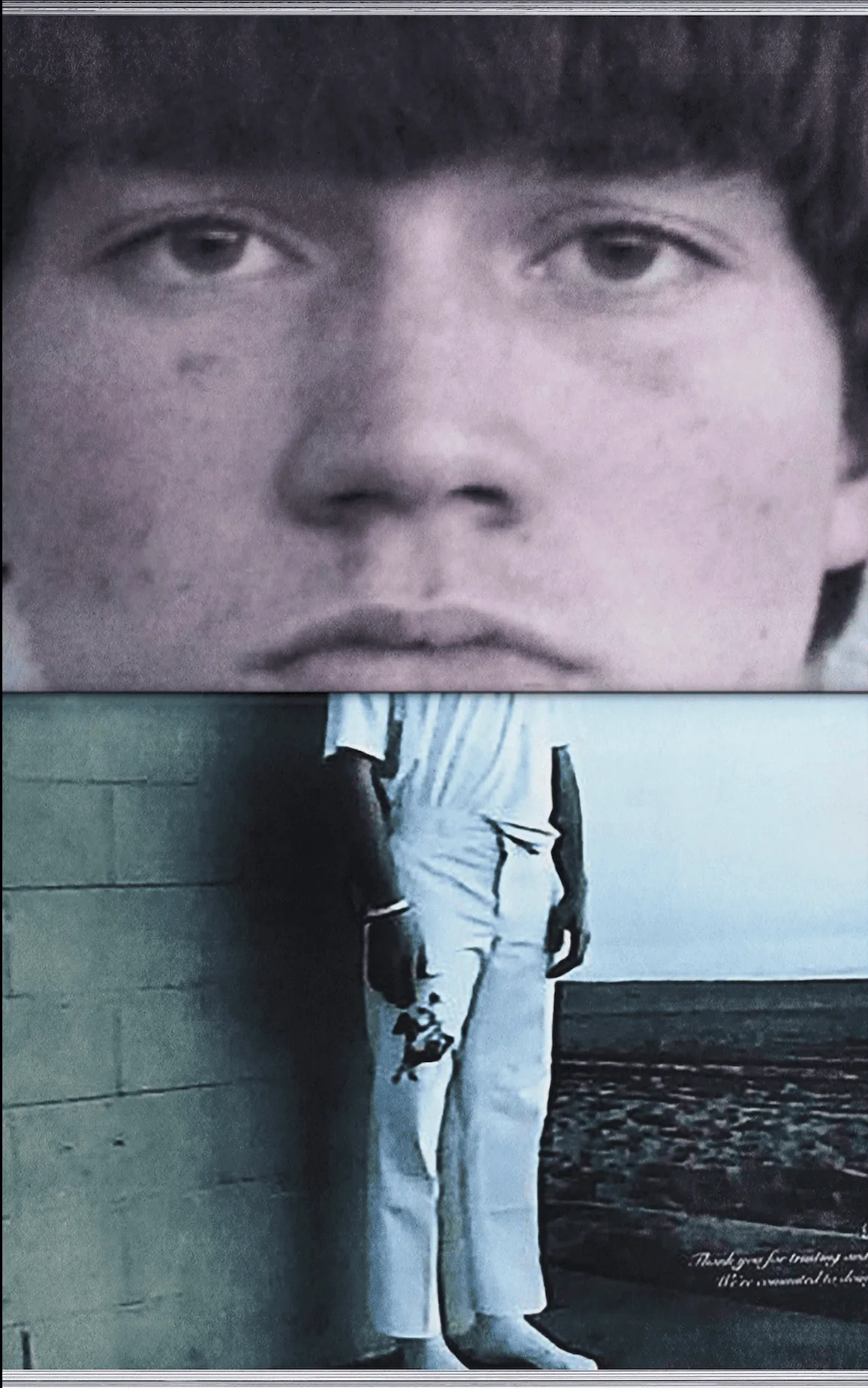
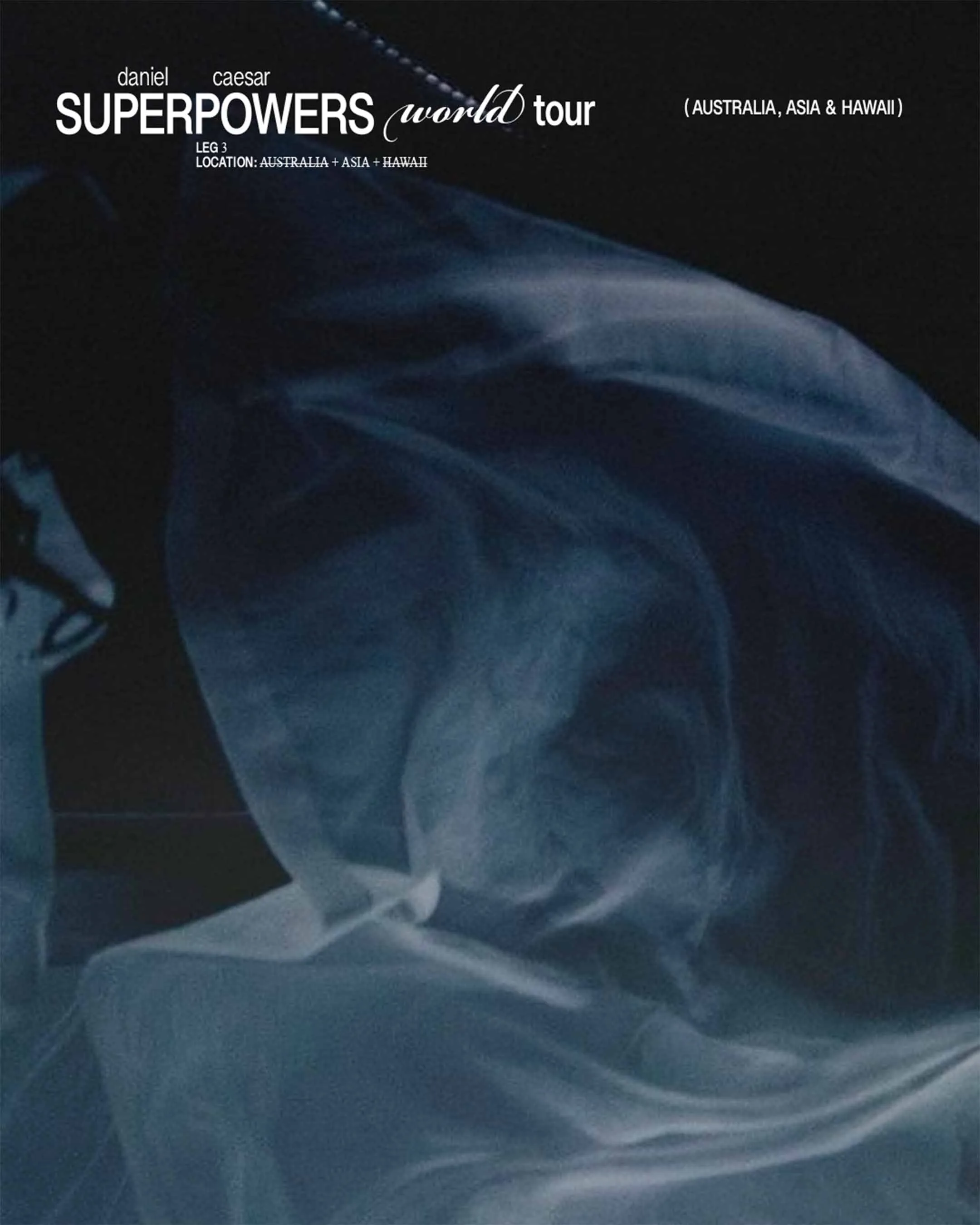
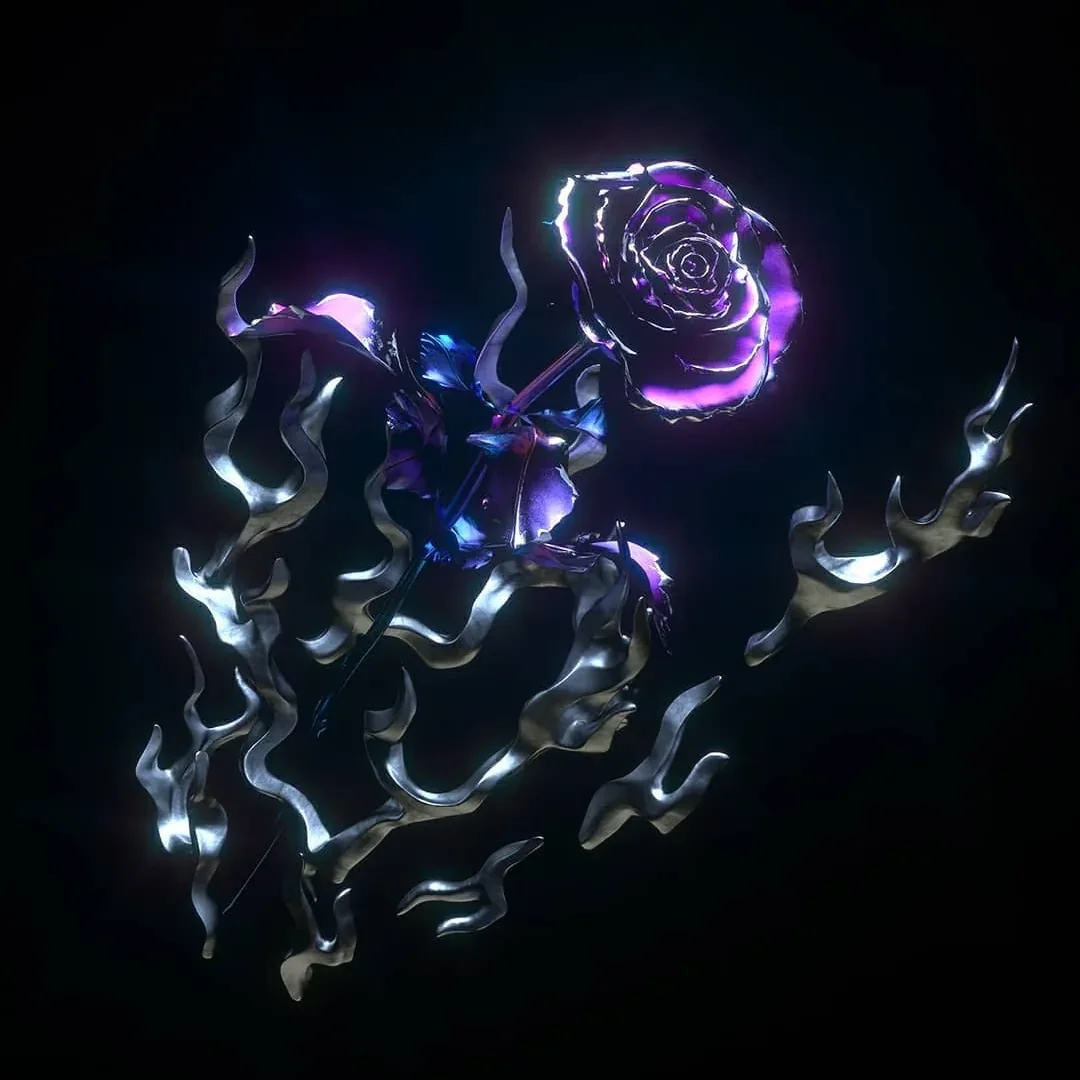
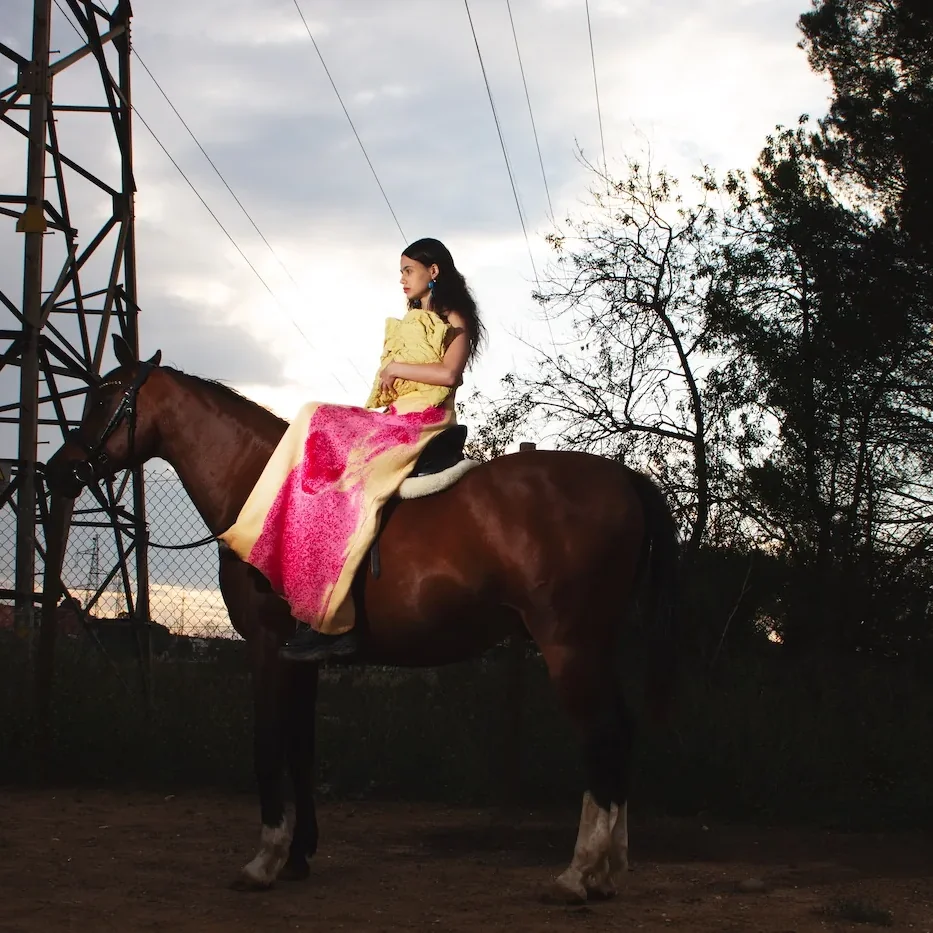
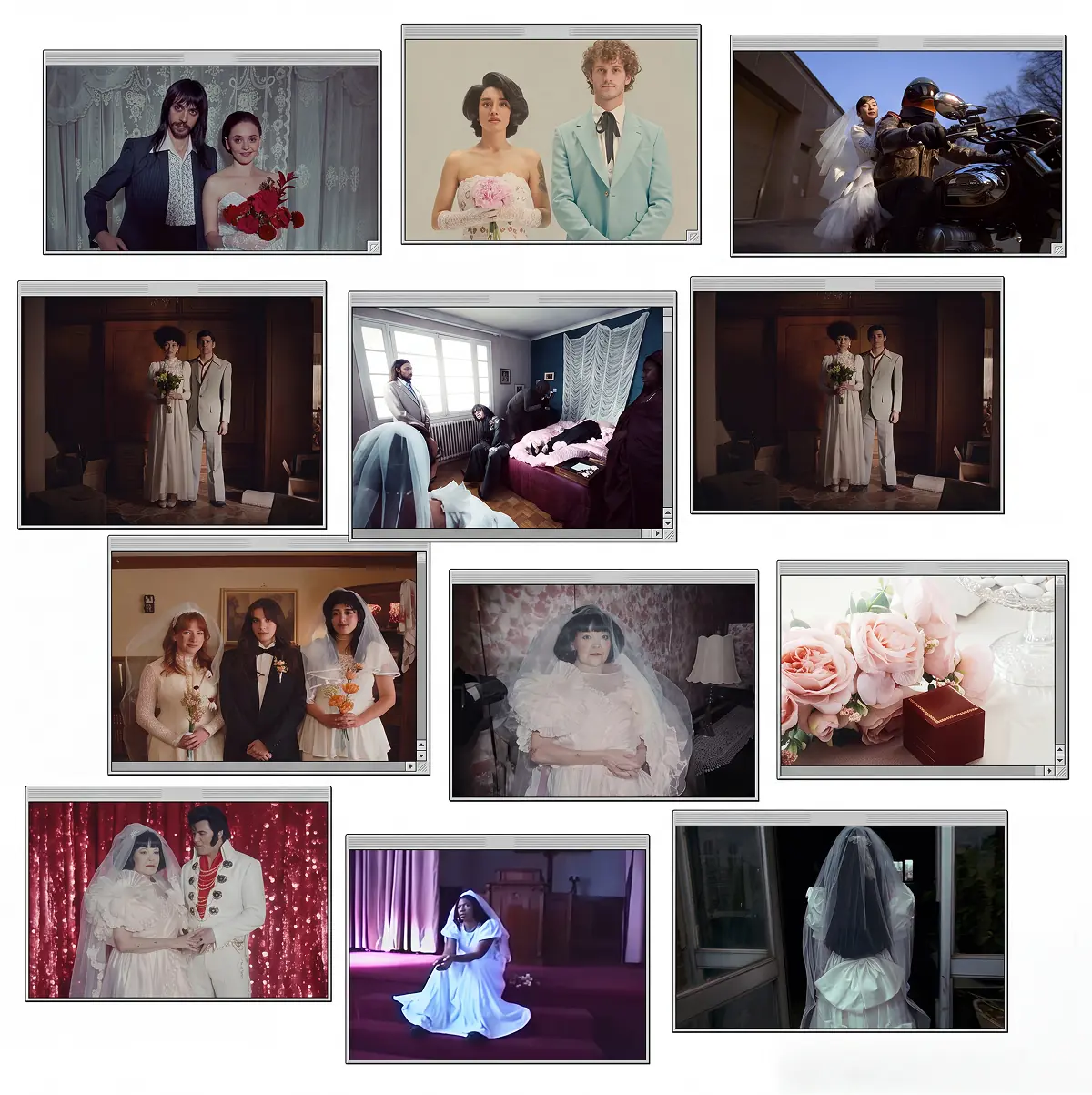
Selected work by Andres Santana
Got
Questions?

A US-based art director and multidisciplinary creative who founded RESAMPL, a design resource company, and his own practice AND2ES.
It usually starts with a question or problem, followed by pulling references, taking notes and sketching, sometimes over days or weeks before an idea clicks.
No. He is self-taught, with no design school background, and describes his process as rooted in experimentation rather than a fixed method.
Art direction, editorial design, branding and typography, with ambitions reaching into furniture, spaces and music.
Following whatever pulls him in without overanalysing why, moving based on what feels right in the moment.