From Script to Magic Boards with Carolina Perez
Carolina Perez works in audiovisual reference research for advertising, short films, and series, helping directors and producers turn scripts into visual worlds. From films and music videos to commercials and trailers, she searches for the right references to shape the moods, settings, emotions, and details that bring each project to life. In this interview, she shares how she uses Magic Boards in her creative workflow.
How important is visual storytelling in your day-to-day work?
Visual storytelling is at the core of my day-to-day work. I constantly use visual references to build scripts and creative proposals for my clients. Of course, the process goes beyond finding a single frame, but Flim is very helpful both when defining the initial visual composition of a project and when refining some of the final details.
How do you usually approach visual research when starting a new project?
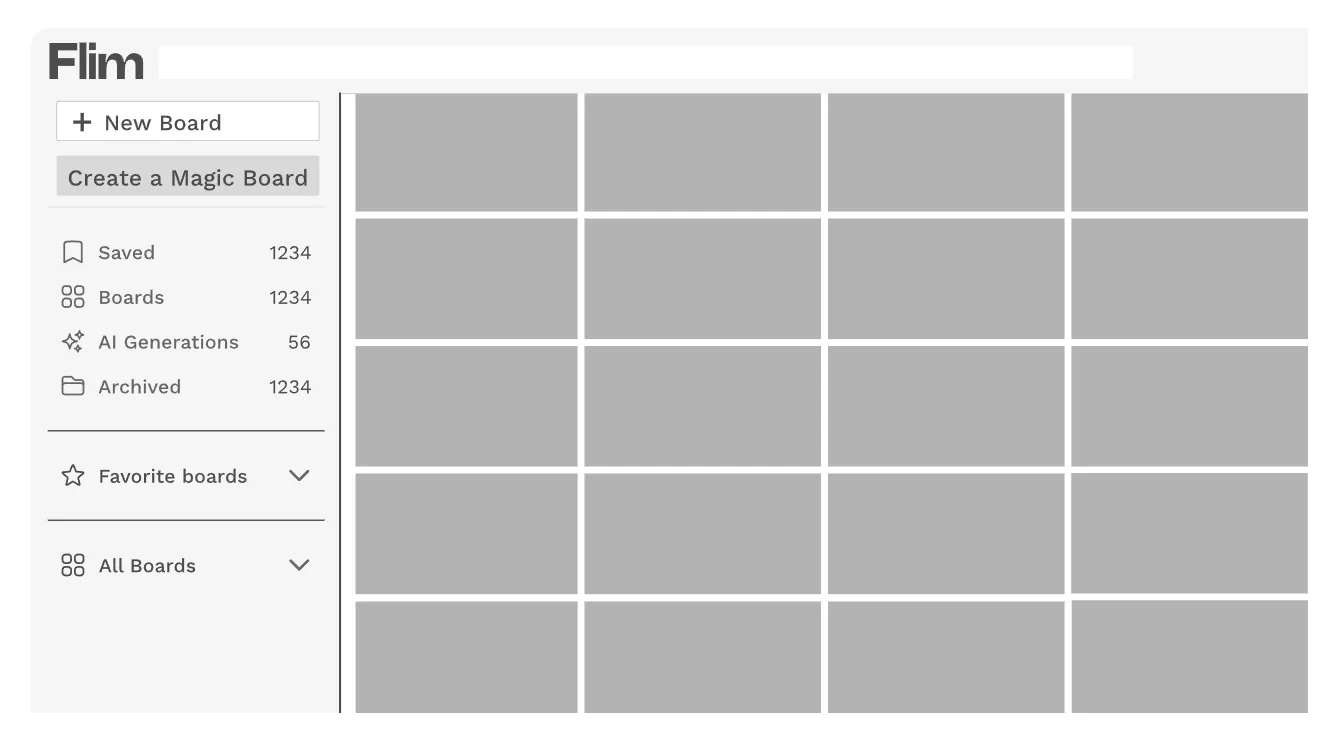
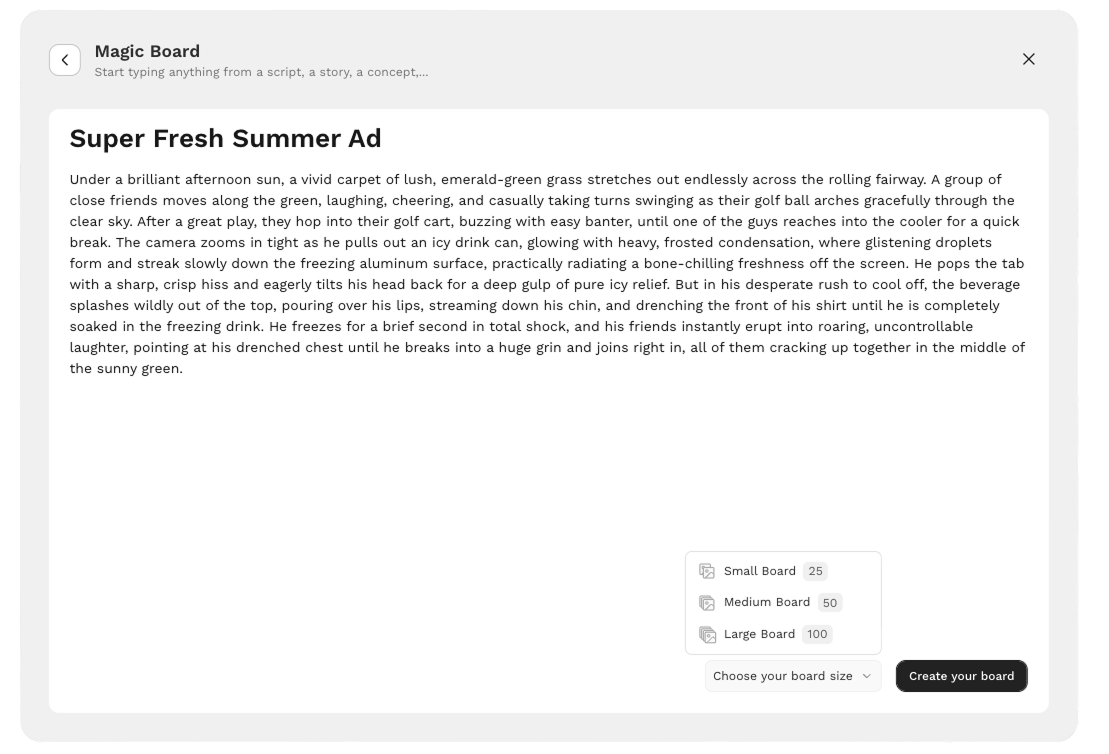
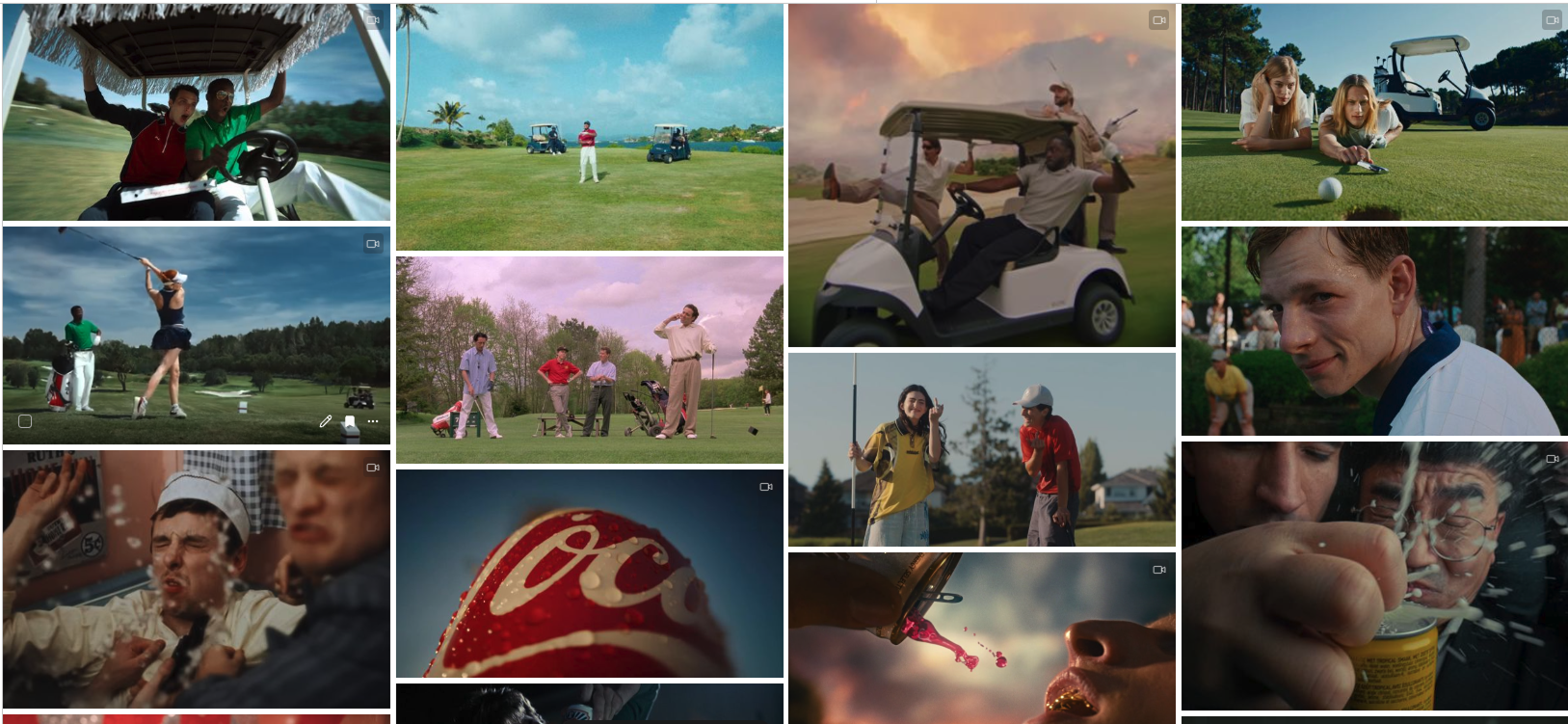
I usually start with a script or a clear narrative structure that gives me a direction. Lately, I’ve been using Magic Boards as an initial trigger for the research process. They help me open up possibilities and start identifying the visual language of the project before going deeper into the references.
What role does Magic Boards play in your creative process today?
It usually plays an early role in the process. It helps me understand which references will be easier or harder to find and what kind of visual style I’m actually looking for — whether that means something more advertising-driven, cinematic, or closer to the language of a TV series. It gives me a useful overview of the visual territory I need to explore before I start refining the research.
What tips would you give for getting the most out of Magic Boards?
Be as specific as possible.
If you already have a script, I wouldn’t recommend putting the entire thing into a single prompt. Breaking it into sections usually gives you much better results. For example, I might create separate Magic Boards for the introduction, the conflict or problem, and the resolution.
Since you can’t fully control how many images Magic Boards will generate for each scene or idea, dividing the narrative into smaller parts makes the tool much more useful and gives you greater control over the references.
How Flim helps you communicate ideas with clients or collaborators?
For me, Flim is mainly a tool that makes the research and creative process faster. The final presentation is still built manually, and the collaborative side of the work still happens through feedback, conversations, and working closely with colleagues.
What Flim changes is the speed at which I can reach that presentation stage and explore different visual directions along the way.
What advice would you give to creatives looking to build more compelling visual narratives?
Break the story down into smaller parts and avoid searching only for the most literal image of an action or idea.
Sometimes the overall atmosphere, movement, composition, or visual language of a piece is more valuable than finding a frame that directly represents what is written in the script.
I also think it’s important not to limit yourself to still images. Sometimes a full video, a short sequence, or even a moment that could later become a GIF can communicate much more than several isolated clips or frames.
The strongest visual narratives often come from understanding the overall feeling of a piece rather than illustrating every sentence literally.


Got
Questions?

She is an audiovisual researcher who helps directors and producers turn scripts into visual worlds by finding the perfect references.
They help her map out the visual territory early on to determine the style and gauge how difficult references will be to find.
It significantly speeds up her research and exploration, allowing her to reach the manual presentation stage much faster.
She starts with the script's narrative and uses Magic Boards as an initial trigger to identify the project's visual language.
No. Magic Board is a Pro plan feature.