Shaping the visual world of L'Engloutie
First revealed at the Quinzaine des Cineastes in Cannes and later awarded the Jean Vigo Prize, L'Engloutie marks Louise Hemon's debut feature. Flim spoke with the director about the film references and moodboards that shaped its visual world.
Interview with Director Louise Hémon
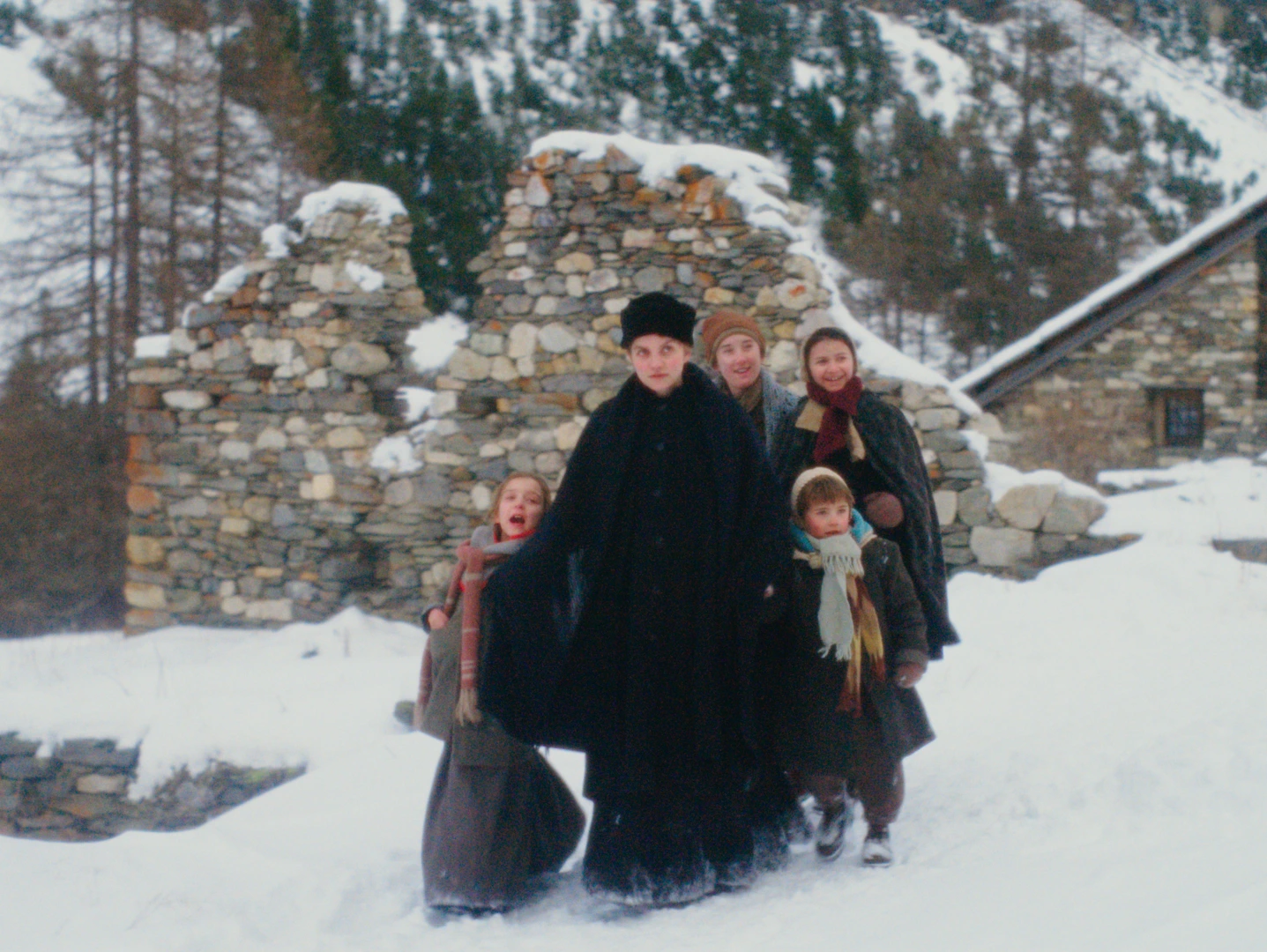
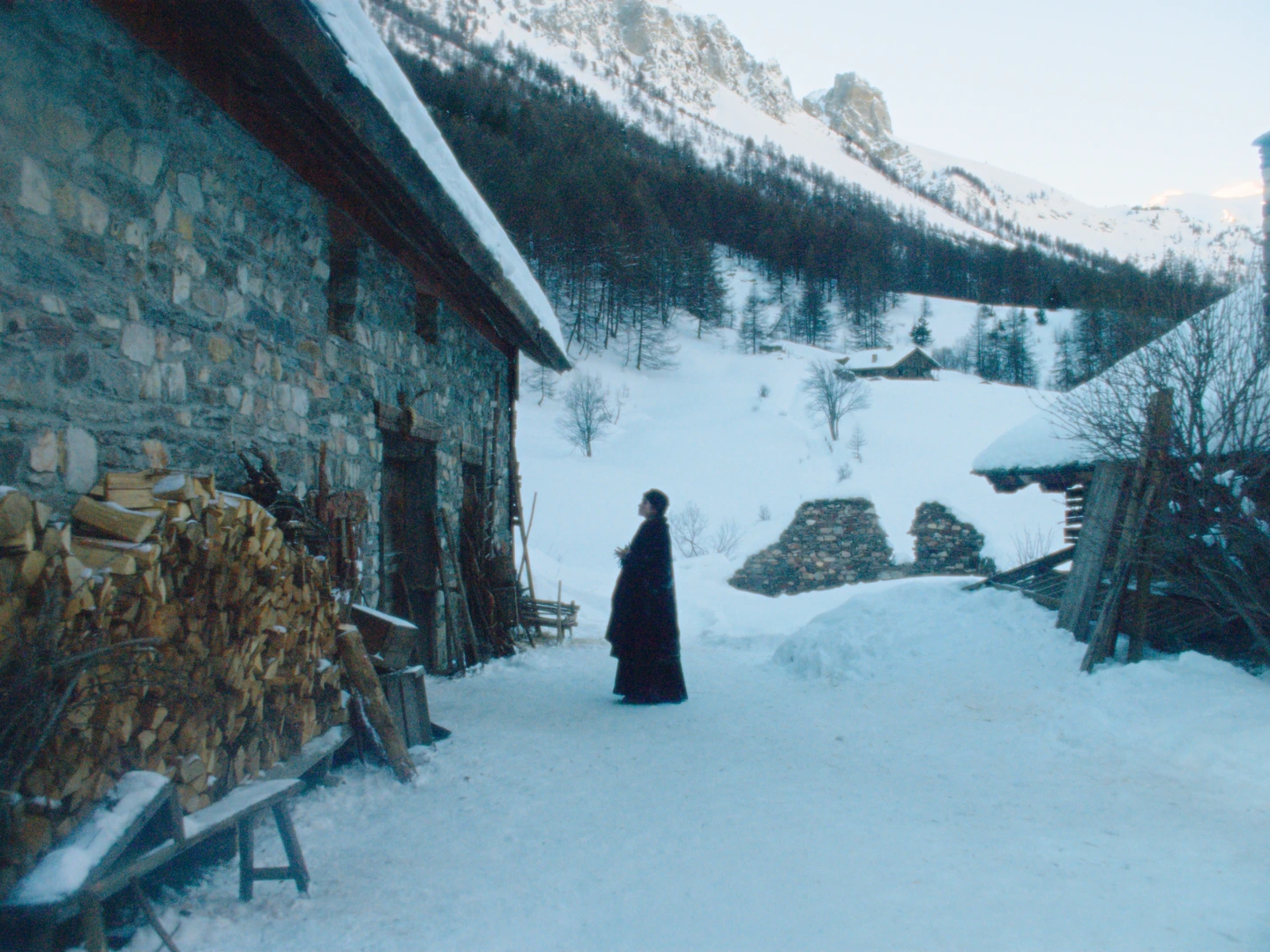
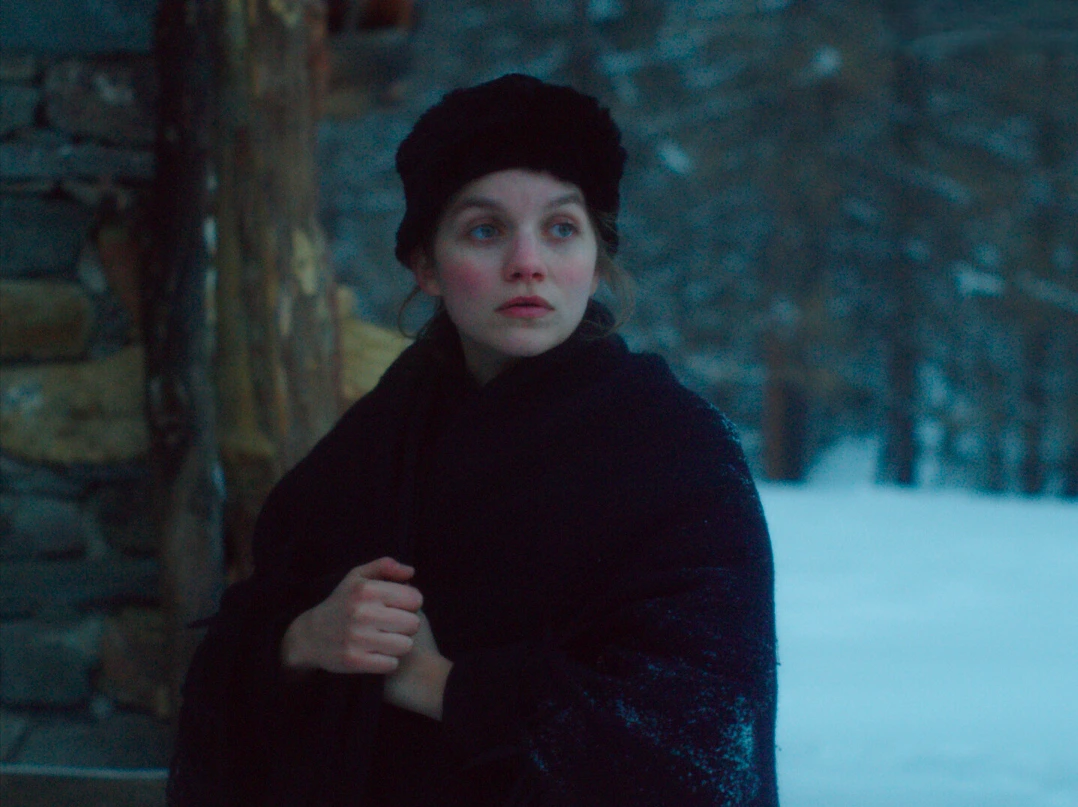
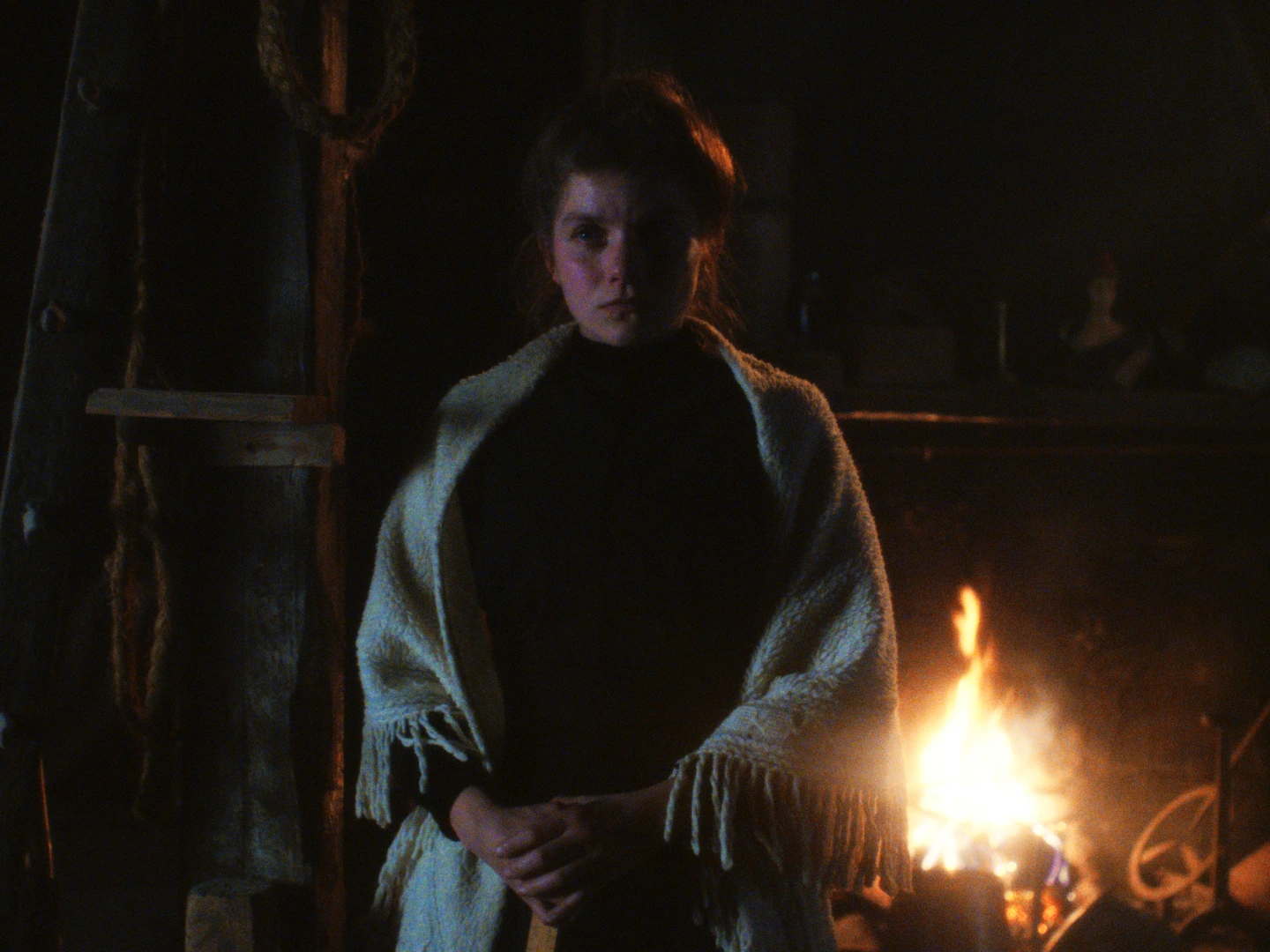
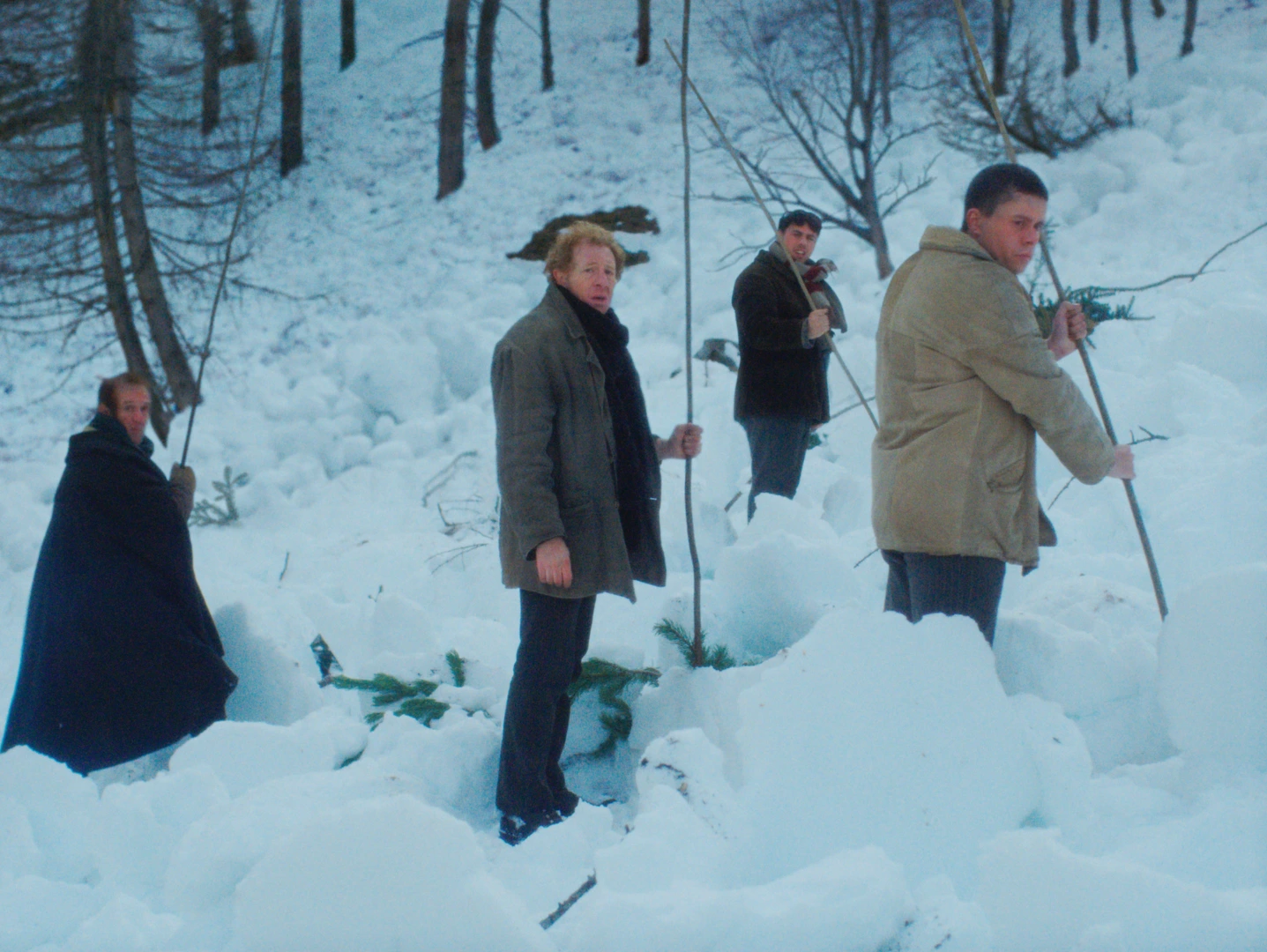
In her debut feature, L'Engloutie, Louise Hémon crafts a singular visual universe to explore female desire within a rural world shaped by rituals and isolation. Informed by Hémon's documentary eye and visual arts practice, by Marine Atlan's distinctive cinematography, and by Anna Le Mouël's experience shaping textured, lived-in spaces, the film's world emerges as something hauntingly intimate.
To mark the film's release, we spoke with the filmmaker about the development of this unique visual language, and we're proud that Flim was able to support her in articulating and sharing visual references throughout the creative process.
L'Engloutie has a very distinctive visual identity. Which films served as visual references when shaping this world?
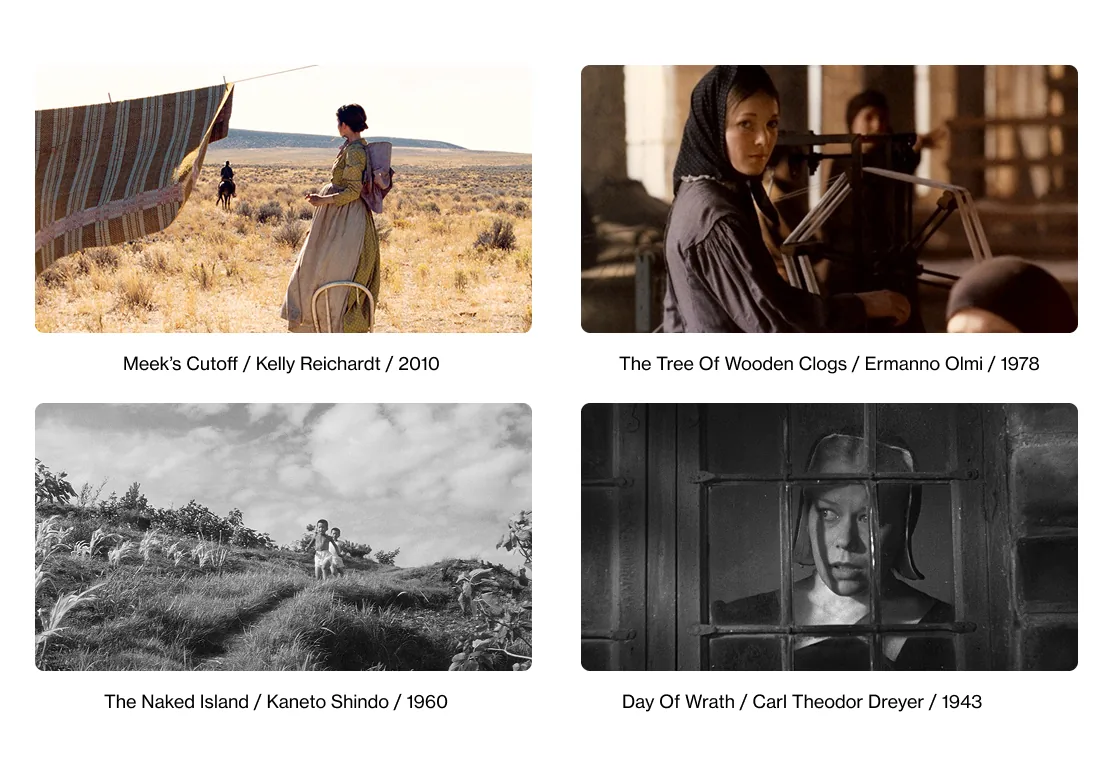
Many of my references revolve around humans facing nature - snow, wind, cold, heat. Day of the Outlaw (1959) by André de Toth was very important. Everything takes place under the snow: movements are slowed down, bodies are constrained by the cold. There's this strong feeling of open-air confinement, where the landscape dictates the rhythm of life. I was also deeply inspired by Meek's Cutoff (2010) by Kelly Reichardt. Even though it's visually very different, it shares the same attention to bodies moving through space, to effort and endurance.
Movies like The Tree of Wooden Clogs (Ermanno Olmi, 1978), Day of Wrath (Carl Theodor Dreyer, 1943) or The Naked Island (Kaneto Shindo, 1960) were also important. Often it's not the entire film, but a single shot, a way of placing a body within a space. Chantal Akerman's Toute une nuit (1982) is another, for its attention to bodies, the elements, and its minimal dialogue.
What interests me is how these films handle certain elements: bodies facing the forces of nature, vast landscapes, and rural life. It's about the way space, nature, and people are captured on screen.
Your research process goes beyond cinema. How does that influence your visual work?
I come from documentary, so I work a lot with archives: anthropological photographs, historical texts, objects, images I've collected over the years. I also look at painting - the Le Nain brothers or Georges de La Tour for candlelit interiors, and Brueghel for his vast snowy landscapes in exterior scenes.
These references aren't quoted directly, but they inform the atmosphere, the density of the images, and the relationship between humans and their environment.
How did you use Flim within that process, especially with your team?
Mainly as a communication tool. I draw very badly, and explaining a shot verbally can be difficult. With Flim, I could look for very specific frames or compositions and say to my cinematographer: "This is the kind of framing I have in mind." It helped a lot.

Was it more about discovering new references, or clarifying existing ideas?
Both. Flim helped me translate ideas that were already there into something shareable. Often, I wasn't interested in a film reference as a whole but one shot, one composition that could help explain an intention. I also used Flim to support the references I already had in mind: I would search for a film by name to access all its stills, so I could show my team more material.
More broadly, I explored keywords like 'snow' to see all the films in the library featuring snowy environments. Anna Le Mouël, the production designer, did the same. It was interesting, for example, to compare highly artificial representations of snow with much more naturalistic ones.
How did you collaborate on those visual references?
I gave my production designer a large collection of materials I had gathered over the years: books, photographs, anthropological images, visual notes, and references I had found online. She combined all of that with her own research and began building moodboards.
Through those moodboards, I realized she was also working with Flim. Many of the images she brought in came from westerns and genre films, which helped define the atmosphere of the interiors: the style of rural houses, barns, textures, and wall patinas.
These shared boards then became a common working space. We used them to exchange references with the cinematographer, simply by sharing links, which made collaboration between us much more fluid.
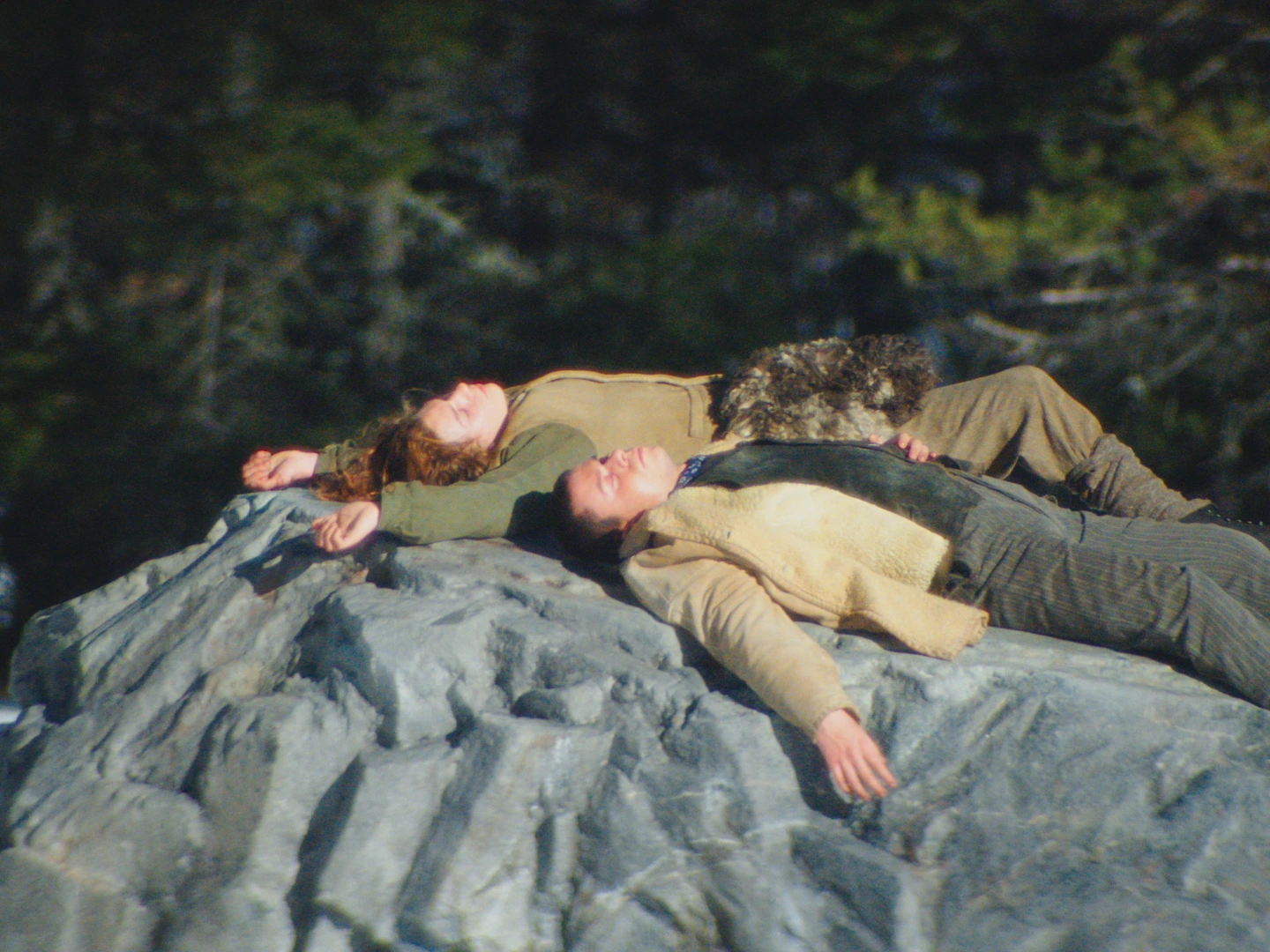
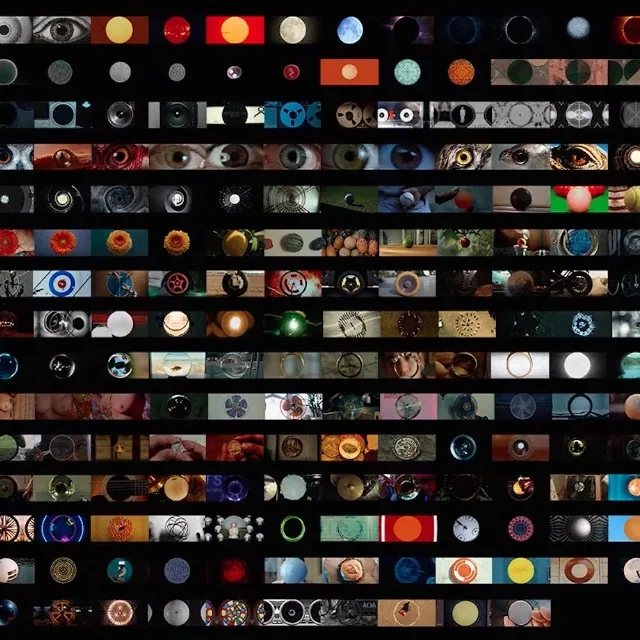
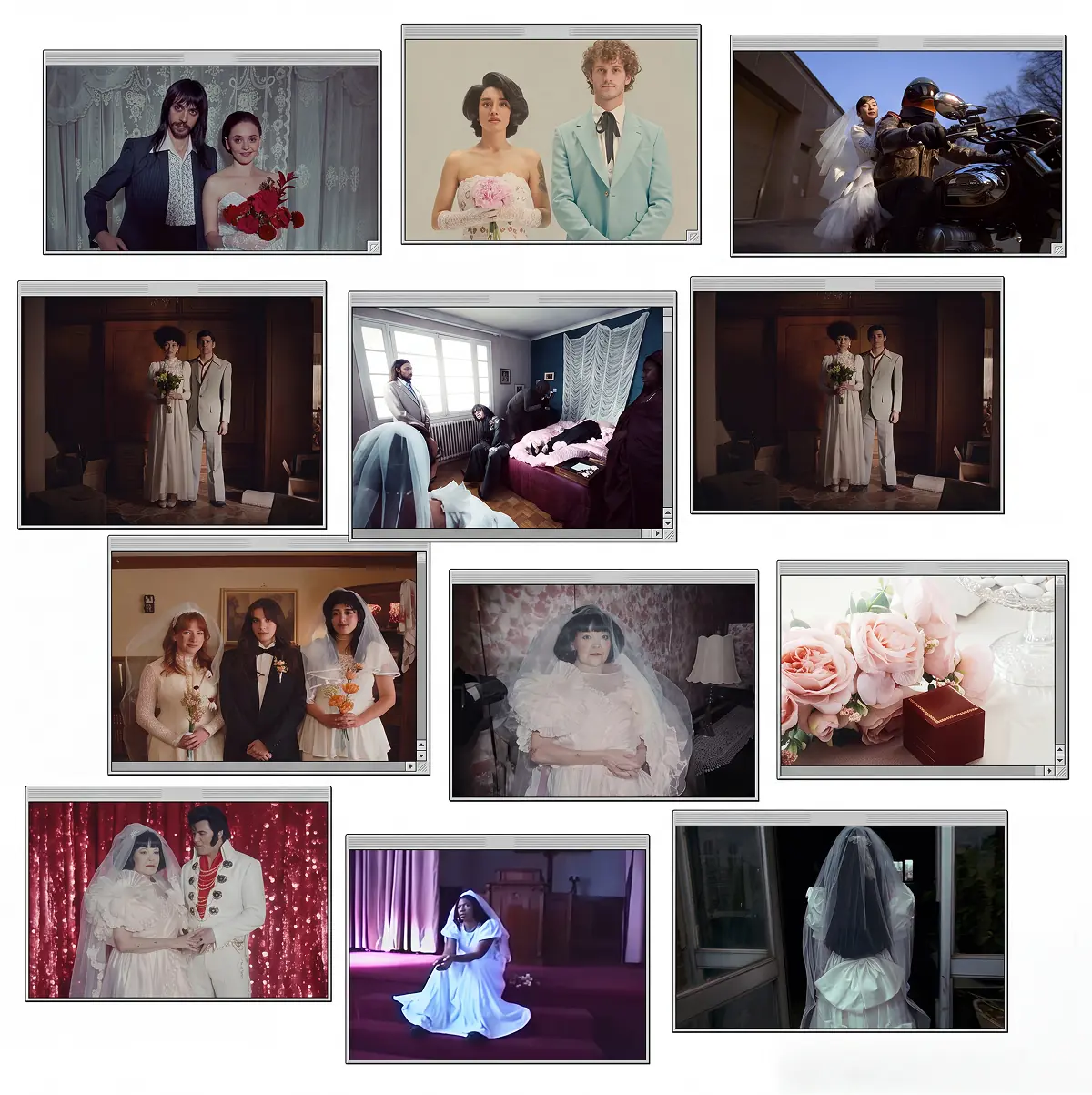
Following this conversation, the Flim team created a moodboard expanding from Louise Hémon's original references, exploring adjacent visual universes and related influences.
Louise Hémon is a filmmaker and theatre director whose work blends documentary and fiction. Her documentaries and theatre projects have been shown at international festivals, the Centre Pompidou, Fondation Hermès, and Festival d'Automne in Paris. L'Engloutie, her first feature, establishes her as a distinctive new voice in contemporary French cinema.
Got
Questions?

Louise Hemon cites Day of the Outlaw, Meek's Cutoff, The Tree of Wooden Clogs, Day of Wrath, The Naked Island and Toute une nuit among her key references.
Mainly as a communication tool: she searched for specific frames or compositions on Flim to show her cinematographer the framing she had in mind.
Yes. The production designer also built moodboards using Flim, and the team shared boards with the cinematographer to keep references aligned.
Largely westerns and genre films, which informed the rural interiors, barns, textures and wall patinas in the film.
Yes. Flim created a moodboard expanding on Louise Hemon's original references, linked at the end of the interview.