A conversation with Alba Camara
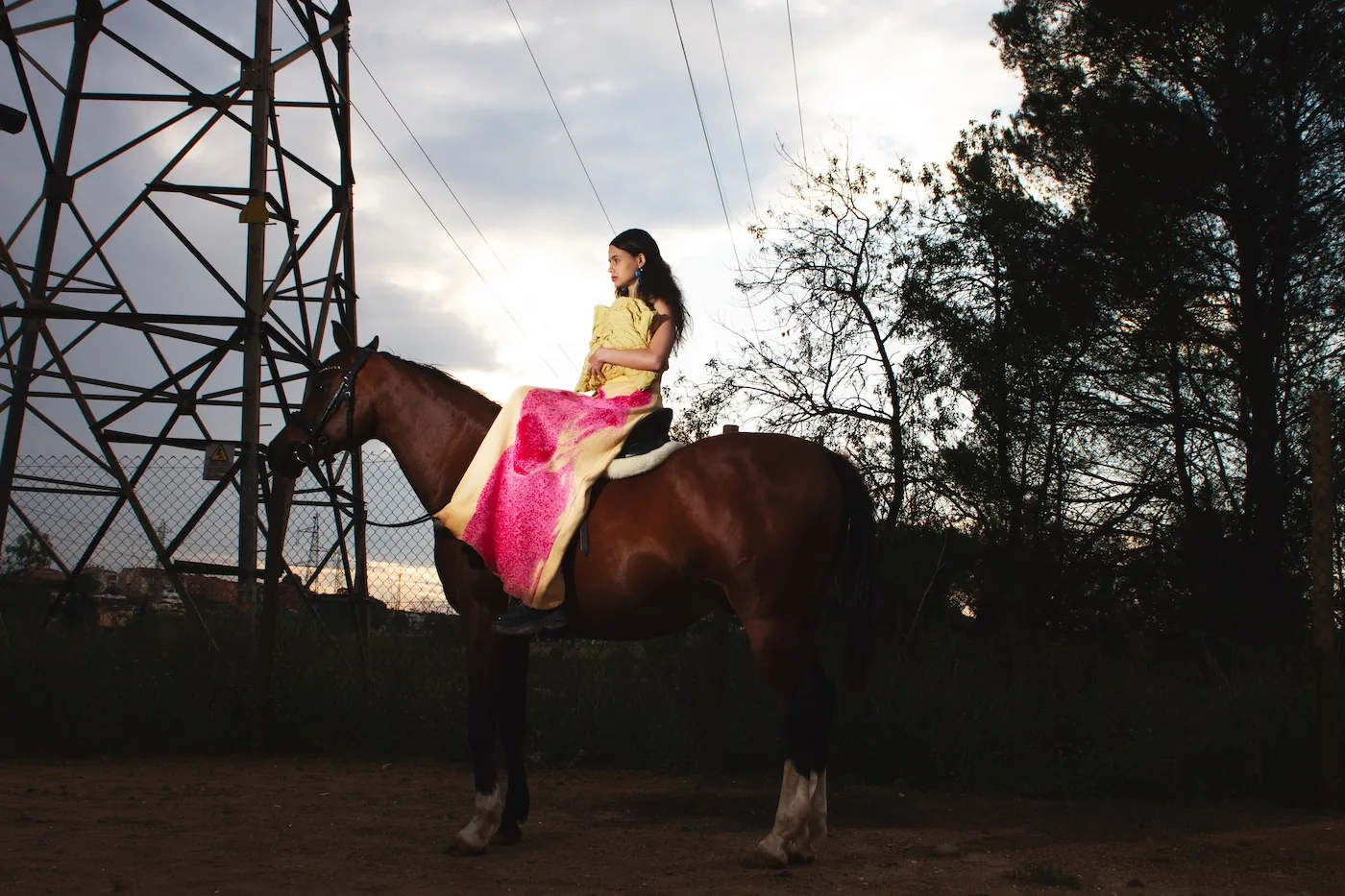
Alba Camara is a Spanish fashion photographer and creative director who leads campaigns for brands including Prada and Moschino. Flim spoke with her about blending emotion with unexpected visuals.
YOUR CREATIVE JOURNEY
Can you tell us a bit about your creative journey and what drives your artistic vision?
Sure! My creative journey has always been about curiosity and expression. I started with more traditional forms of art - drawing, photography, and visual storytelling - and over time, I became more interested in how technology can expand creativity. I'm driven by the idea of blending emotion with unexpected visuals. I love when an image or piece makes someone stop and feel something they didn’t expect.
What does your process typically look like when starting a new project?
I usually start with a loose idea or feeling I want to explore. Then I collect references - sometimes visual, sometimes just words or sounds - to help shape the mood. From there, it’s a mix of experimentation, sketching, and playing with different tools, both digital and analog. I like leaving room for accidents or surprises in the process.
YOUR TAKE ON AI TOOLS
When did you first start experimenting with AI tools in your creative process?
I think it really began during the last couple of years, when AI tools became more accessible and creative-focused. I was curious about what they could add - not to replace my ideas, but to stretch them.
How do you choose which tools to use, and what role do they play in your projects?
It depends on the project. Sometimes I need help with generating visuals, other times with writing or ideation. I usually test a few and see which one 'clicks' with my workflow. I treat them like collaborators - each one has its own strengths.
Can you give an example of how AI has helped you push an idea or challenged you?
Yes - once I had an abstract concept in mind, but I couldn’t quite visualize it. I used an AI image generator to create quick variations of the idea, and one of them sparked a completely different direction I wouldn’t have thought of alone. It kind of forced me to break out of my usual patterns.
How do you balance your personal voice and vision with using tools that can generate or suggest content?
That’s definitely something I think about. I try to make sure the AI doesn’t become the 'author.' I use it to explore or refine ideas, but the final decisions are always mine. I think of it like a sketchbook - it helps me experiment faster, but it’s still my hand guiding the work.
You don’t need to understand everything at first - just play around with one tool and see what it inspires. Don’t worry about making something perfect. The goal is to explore.
YOUR CREATIVE TOOLKIT
How did you come across Flim, and how does it fit into your creative toolkit?
I heard about Flim through a recommendation and decided to try it out. Right away, I liked how intuitive it felt. It fits into my process as a kind of inspiration and reference tool - especially when I’m building moodboards or storyboards. It’s like having a visual assistant that understands context.
LOOKING AHEAD
What excites you most about where creative technology is heading?
I’m really excited about the merging of creative intuition with smart tools. As AI becomes more adaptive and less 'generic,' I think we’ll be able to create things that feel even more personal and emotionally resonant - but in totally new formats and mediums.
What would your ideal creative tool look like in the future?
Honestly, I’d love something like a chip - kind of like in Black Mirror - that you could connect to your mind. The idea would be to export the exact images or scenes you imagine in your head straight into an MP4 file, just as they are in your mind. No need for translation, no need to recreate them manually. Just pure imagination to video. That would be the ultimate creative freedom.
TIPS FOR GETTING STARTED
Any advice for other artists who are curious about using AI but unsure where to begin?
Start small and treat AI like a sketching tool. You don’t need to understand everything at first - just play around with one tool and see what it inspires. Don’t worry about making something perfect. The goal is to explore.
And finally: what’s next for you? Anything exciting on the horizon you can share?
Yes, I’m currently working on a new series that blends analog photography with AI-generated textures - kind of exploring the boundaries between memory and imagination. It’s still in early stages, but I’m really excited about where it’s going.
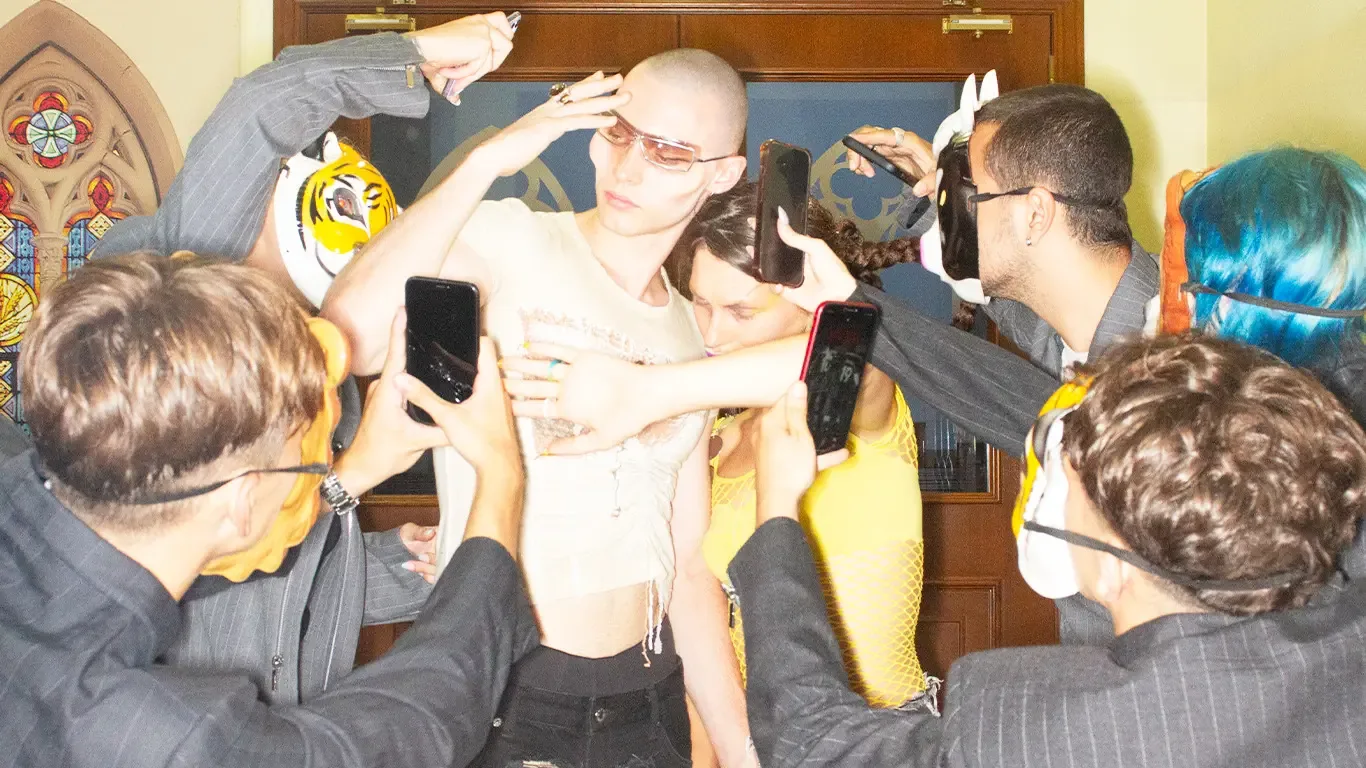
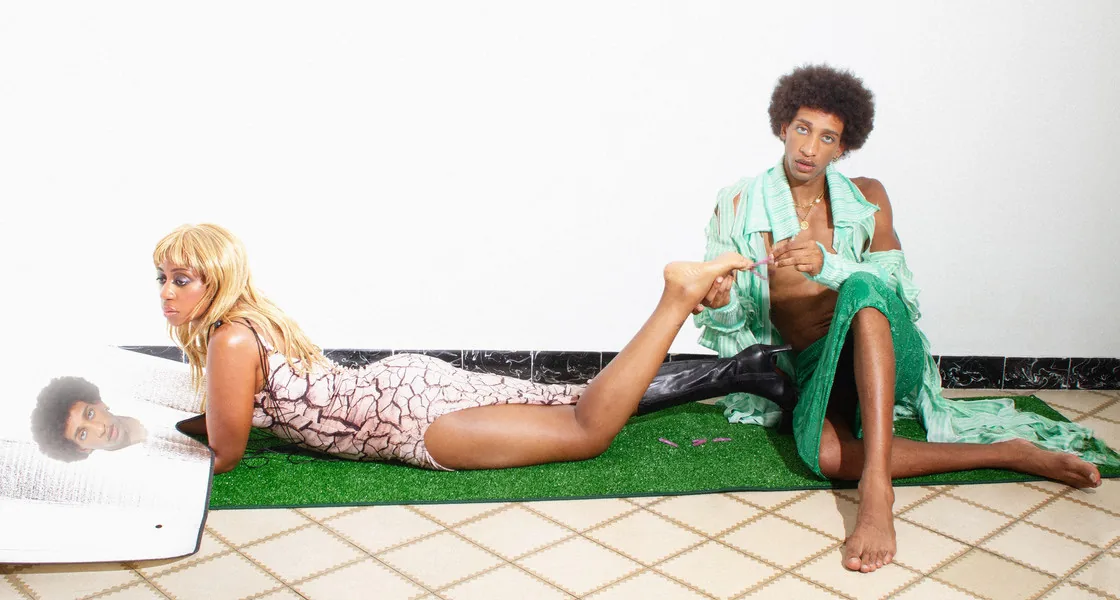
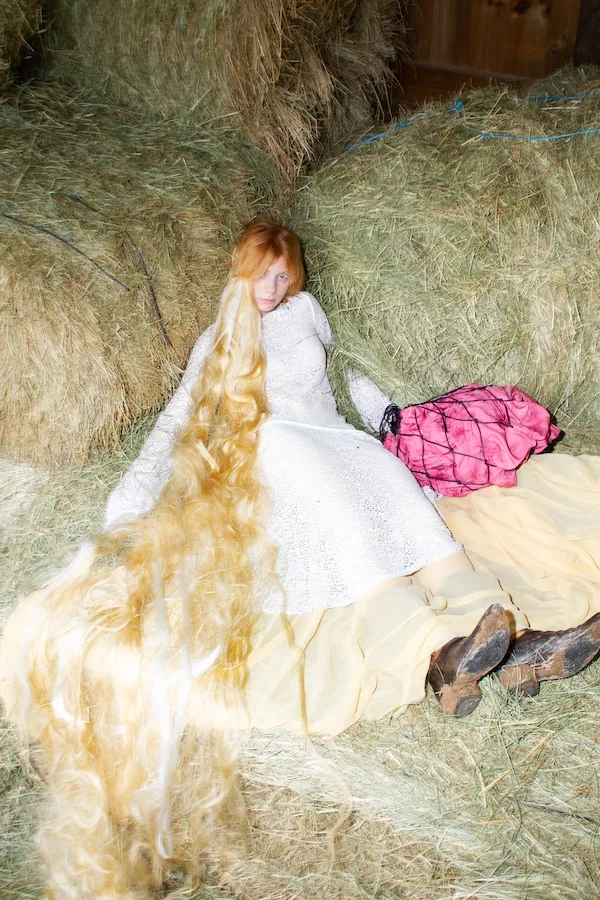
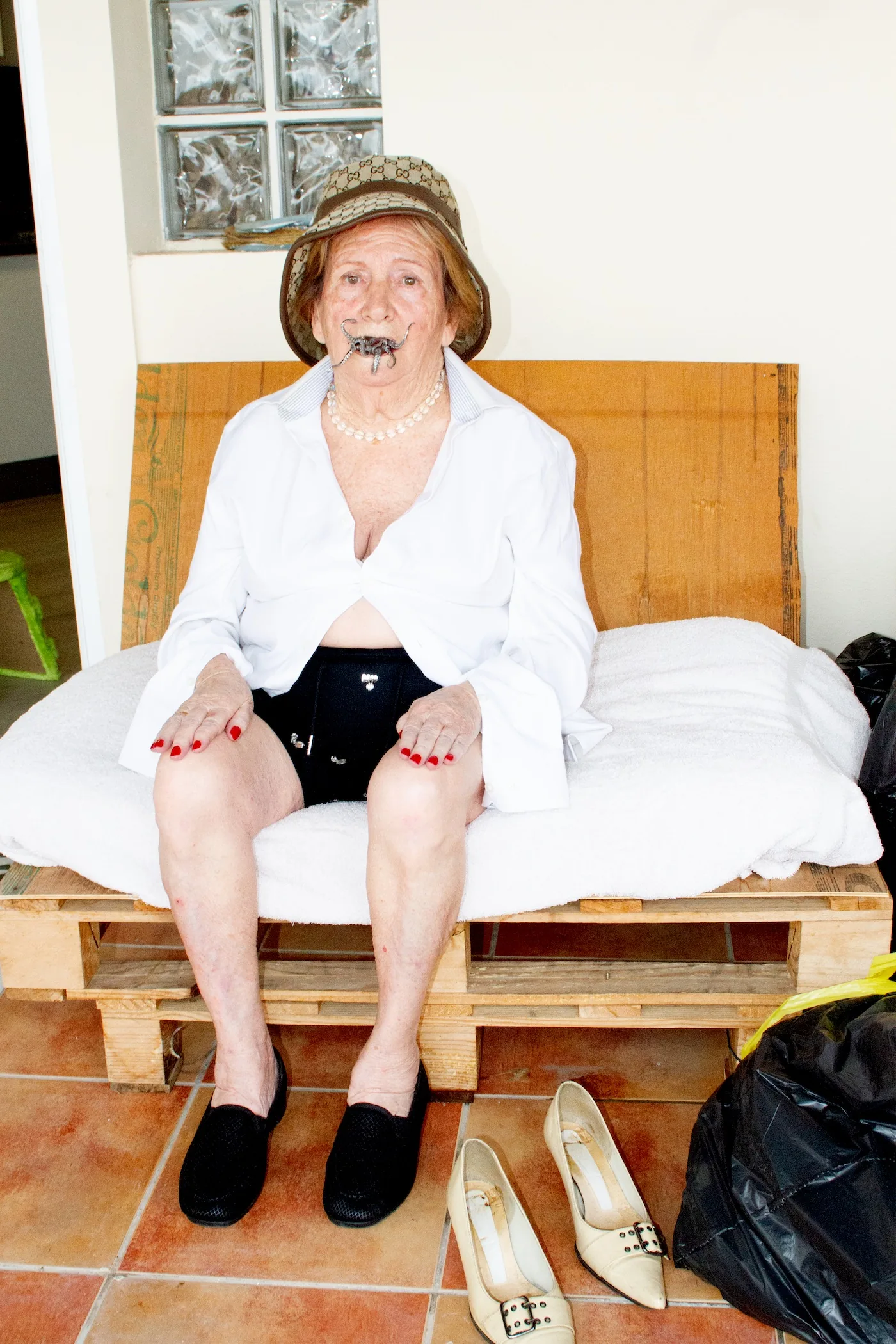
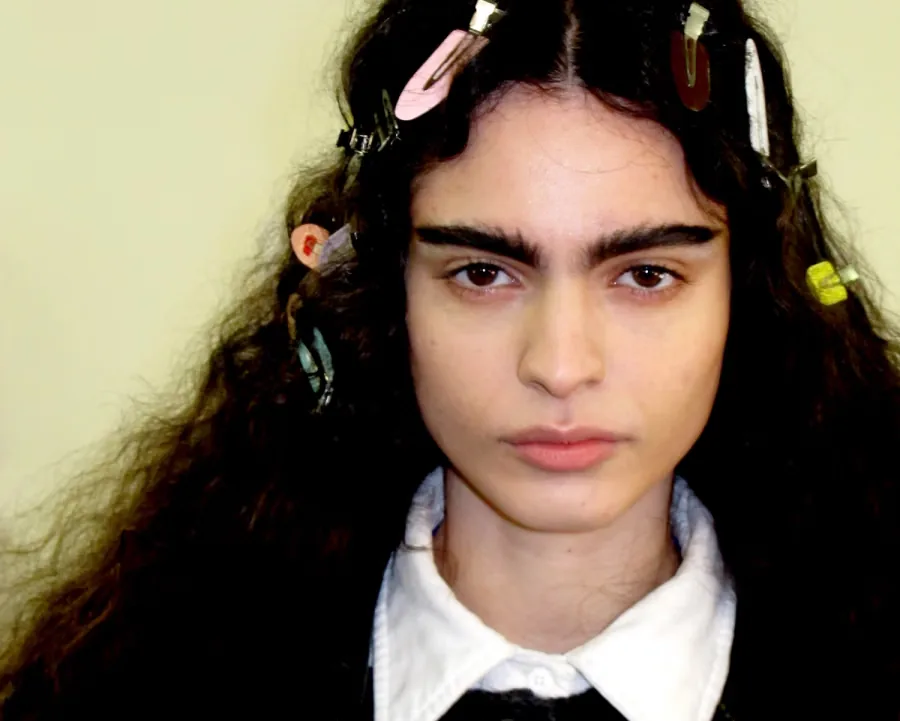
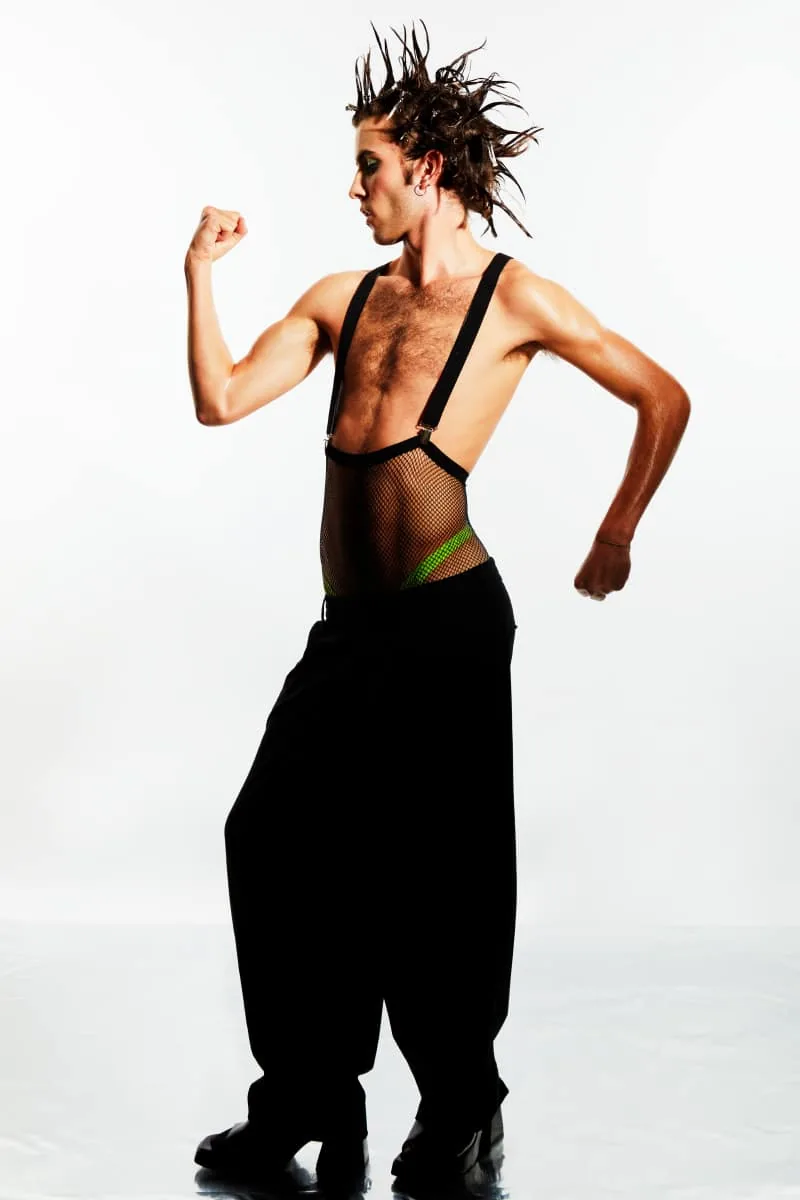
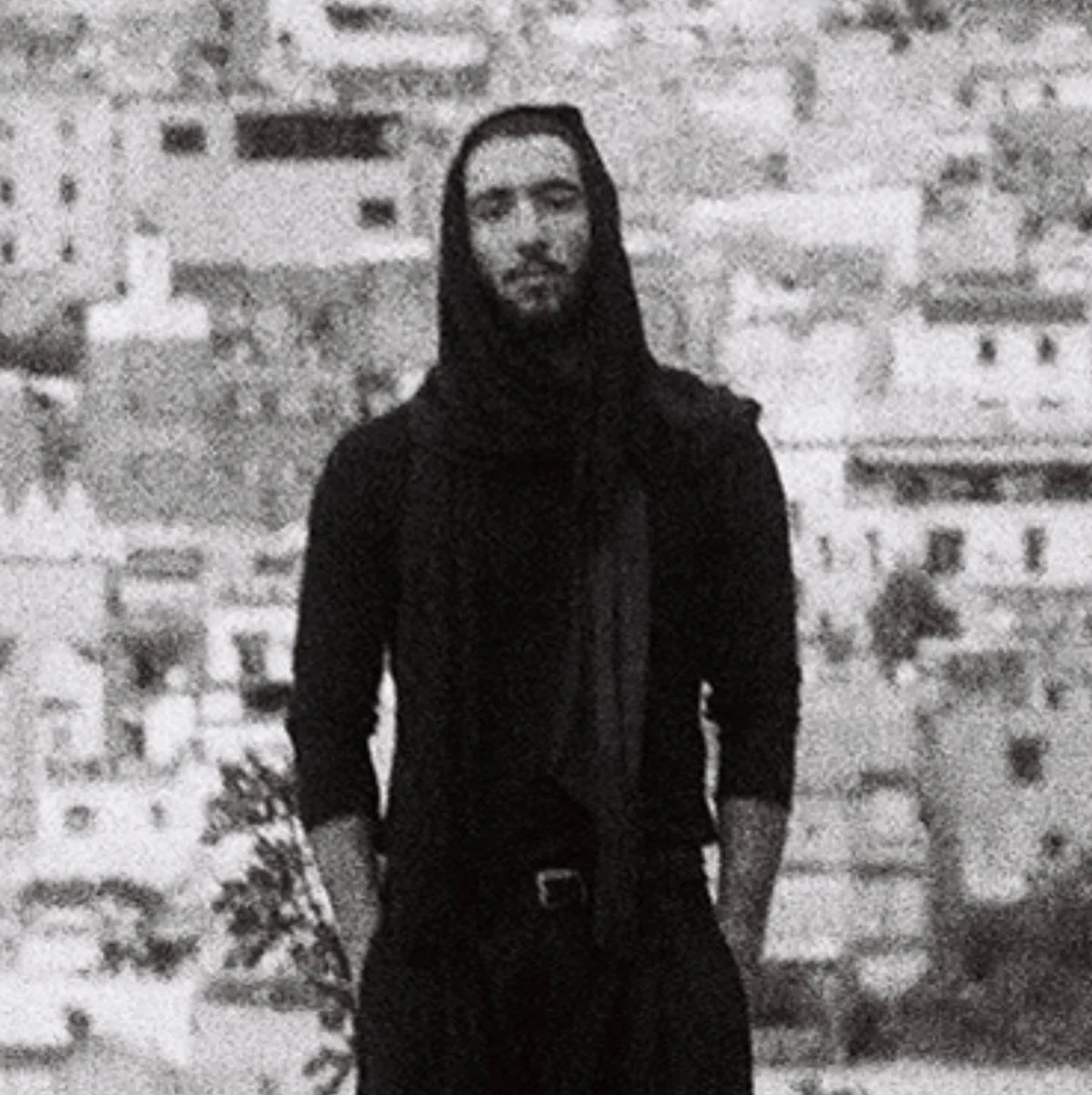
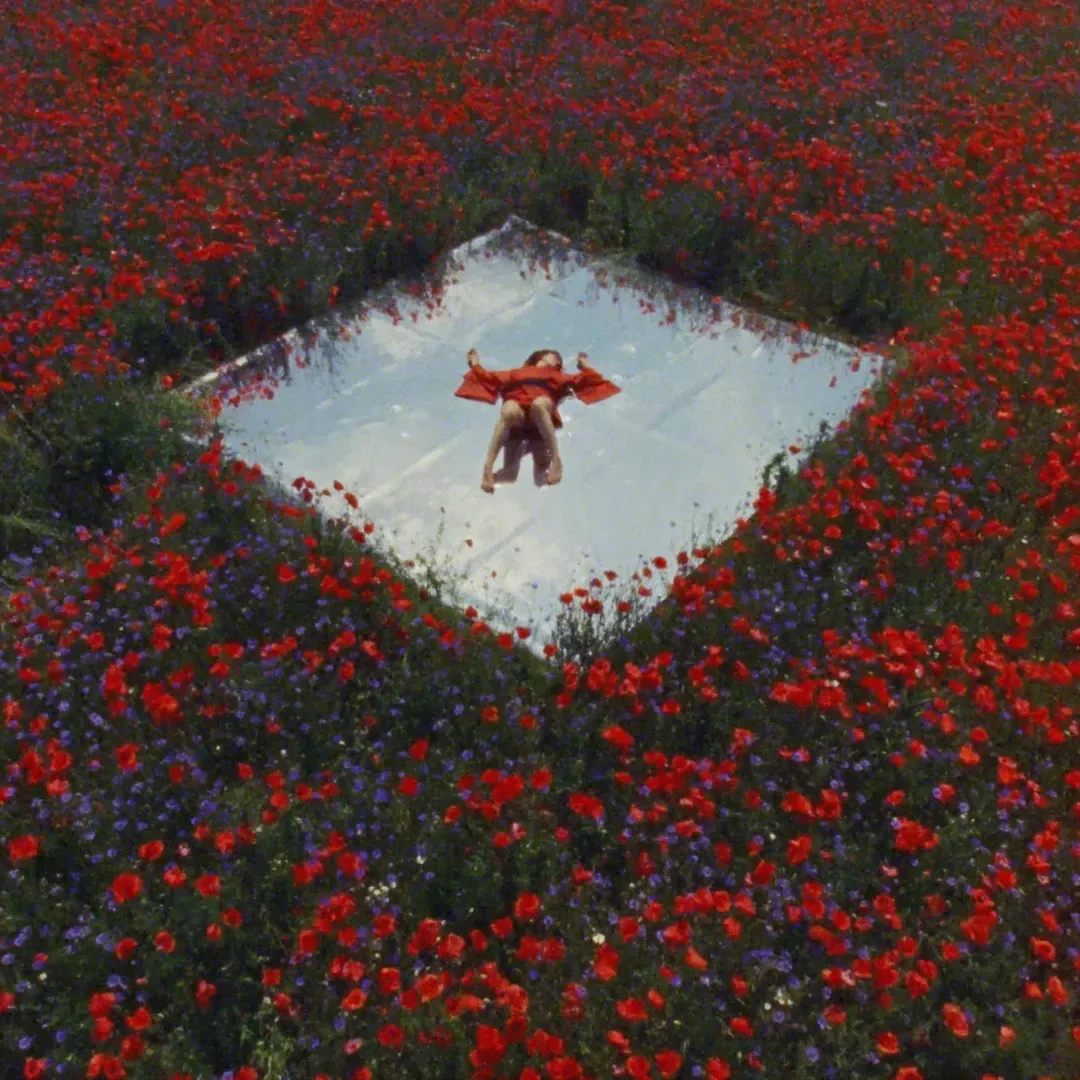
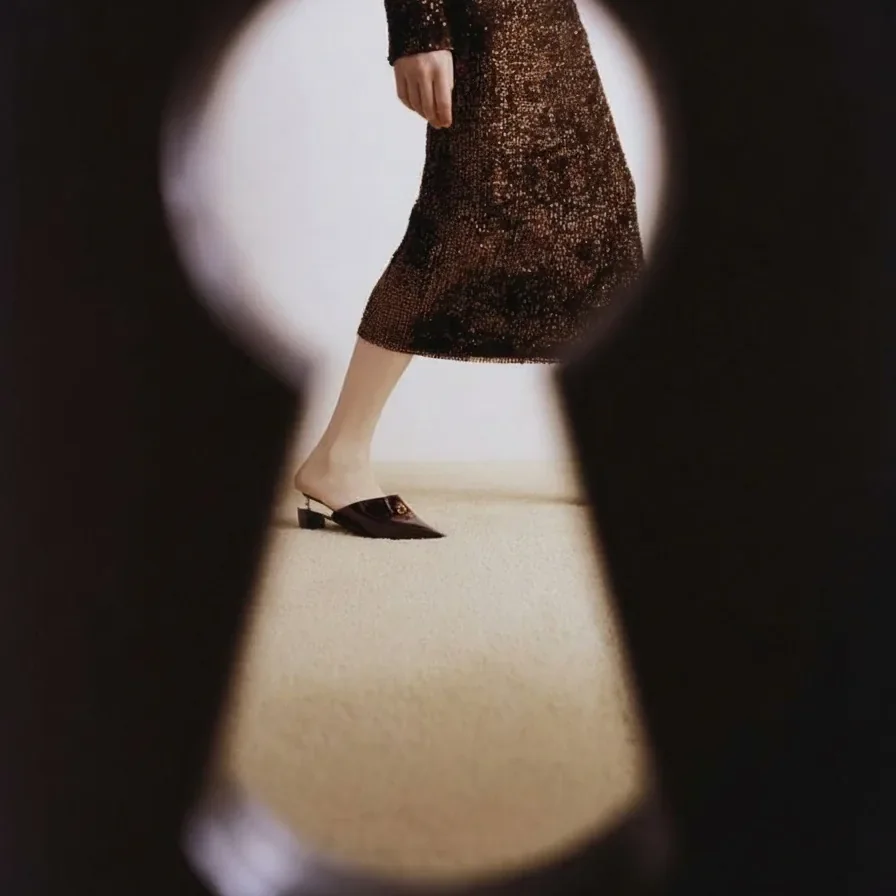
Selected work by Alba Camara
.jpg)
Got
Questions?

A Spanish fashion photographer and creative director who leads campaigns and shoots for international brands including Prada and Moschino.
It starts with a loose idea or feeling, followed by gathering visual and non-visual references, then experimenting and sketching, leaving room for accidents.
At the beginning of 2023, after which AI quickly became part of her regular workflow.
It depends on the project: sometimes support for generating visuals, other times for writing.
Emotion combined with unexpected visuals, images that make someone stop and feel something they didn't expect.