A conversation with Sybille de Saint Louvent
Sybille de Saint Louvent is an independent French Creative Director working across luxury, art, culture, and fashion. Flim spoke with her about starting projects with words instead of images, and her month-long AI campaign challenge.
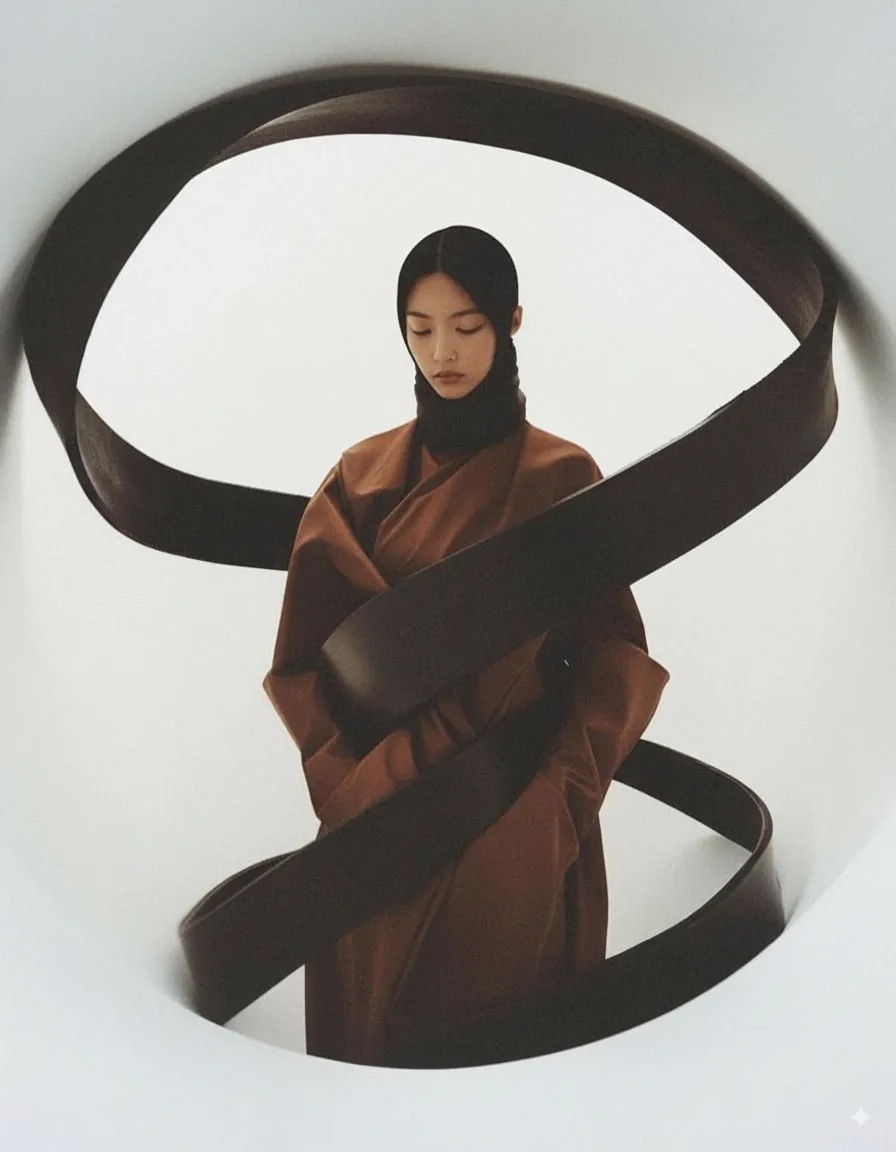
YOUR CREATIVE JOURNEY
Can you tell us a bit about your creative journey and what drives your artistic vision?
What drives me is the question of why something touches us. I’m fascinated by how an image can seem timeless, and yet be entirely shaped by the culture, history, and even the biases of its era. My artistic vision is driven by this tension between the universal and the contextual. I’m always asking: what makes something beautiful today, and why?
What does your process typically look like when starting a new project?
Strangely enough, I don’t begin with images. I start by writing. I try to put into words what I’m sensing, what tension or atmosphere I want to explore. It helps me clarify the intention before anything visual takes shape. I don’t have a fixed method, but I give myself time to listen, to the client, the context. I gather references, but not just visual ones, texts, film fragments, everyday details. Then I slowly start to build a visual language around that.The first stages are never about style, but about meaning. What is this project really trying to say? What’s its pulse?
YOUR TAKE ON AI TOOLS
When did you first start experimenting with AI tools in your creative process?
I first tested them about a year and a half ago, quite lightly. But I really got into it six months ago when I set myself a personal challenge: to create one visual campaign a day, every day, for 31 days. That’s when I forced myself to dig into the tools properly, not just as a curiosity, but as a new creative practice. And that’s when I started to understand how they could serve my thinking, not just accelerate execution.
How do you choose which tools to use, and what role do they play in your projects?
I don’t seek out innovation for its own sake. I focus on tools that work, that serve the vision. I’m open and I keep an eye on what’s emerging, but I’m not in constant pursuit of the latest thing. I prefer to understand deeply how one tool behaves, what its limits and potentials are, and see how it can quietly fit into my process rather than overwhelm it.
Can you give an example of how AI has helped you push an idea or challenged you?
Honestly, I wouldn’t say AI has helped me push an idea. What it does is help translate an idea into image. That’s already a lot, but it’s not more than that. I don’t rely on it for the concept, it comes after, as a visual interpreter. So I wouldn’t say AI challenges me. The concept is already there, thought out and often written down. AI is just a tool I use to give form to what’s already clear in my mind.
How do you balance your personal voice and vision with using tools that can generate or suggest content?
I see it as a conversation. But I come into that conversation with a very specific intention. I never use AI tools to explore or improvise. When I launch a prompt, I already know exactly what I want to see, emotionally, compositionally, narratively. That clarity protects my voice. It keeps me from drifting into the tool’s logic. The risk with AI is losing your thread. I do everything I can to keep mine.
YOUR CREATIVE TOOLKIT
How did you come across Flim, and how does it fit into your creative toolkit?
A friend introduced me to Flim, quite casually. What I liked right away was the cinematic feel and the richness of the search, it’s not a typical visual database. It added a new layer. It’s a place I can wander in, and sometimes, a scene or a light will shift something in how I’m thinking.
What role does Flim play in your work?
I use Flim more like a space for intuition than research. I often browse it in moments of pause, when I’m not actively looking for anything, but letting my subconscious connect things. It’s not about finding the right reference. It’s about nourishing a visual intuition, letting something click unexpectedly. That only happens, I think, when you don’t control the search too tightly.
LOOKING AHEAD
What excites you most about where creative technology is heading?
What excites me is the idea that these tools can help reinforce certain creative terrains, allow us to build more precise narratives, more immersive atmospheres. If used wisely, they can give weight to ideas that once felt too subtle or too fragile to visualize clearly. I love that possibility, when technology becomes a quiet amplifier.
What would your ideal creative tool look like in the future?
I think I’d be drawn to a tool that doesn’t rely so heavily on aesthetic norms. Many AI models tend to reproduce a narrow visual culture, even when you try to push them elsewhere, they bring you back to something polished, familiar, a bit too perfect. My ideal tool would be one that helps bring out a more personal, more singular vision of things. Not in terms of style, but of point of view. A tool that can adapt to how you see the world, rather than pulling you toward what’s already been seen a thousand times. It’s not about going faster or doing more, it’s about creating space for voices, references, textures that aren’t already dominant. Something that could contribute to a richer, more diverse visual culture.
And finally: what’s next for you? Anything exciting on the horizon you can share?
I feel incredibly lucky at the moment. I’m working on a feature film that’s co-produced by Lacoste, which is a completely new terrain for me. I also have a few exhibitions coming up before the end of the year, and some very exciting brand campaigns in the works. I don’t take any of it for granted, it’s a privilege to be surrounded by creative people who trust you.
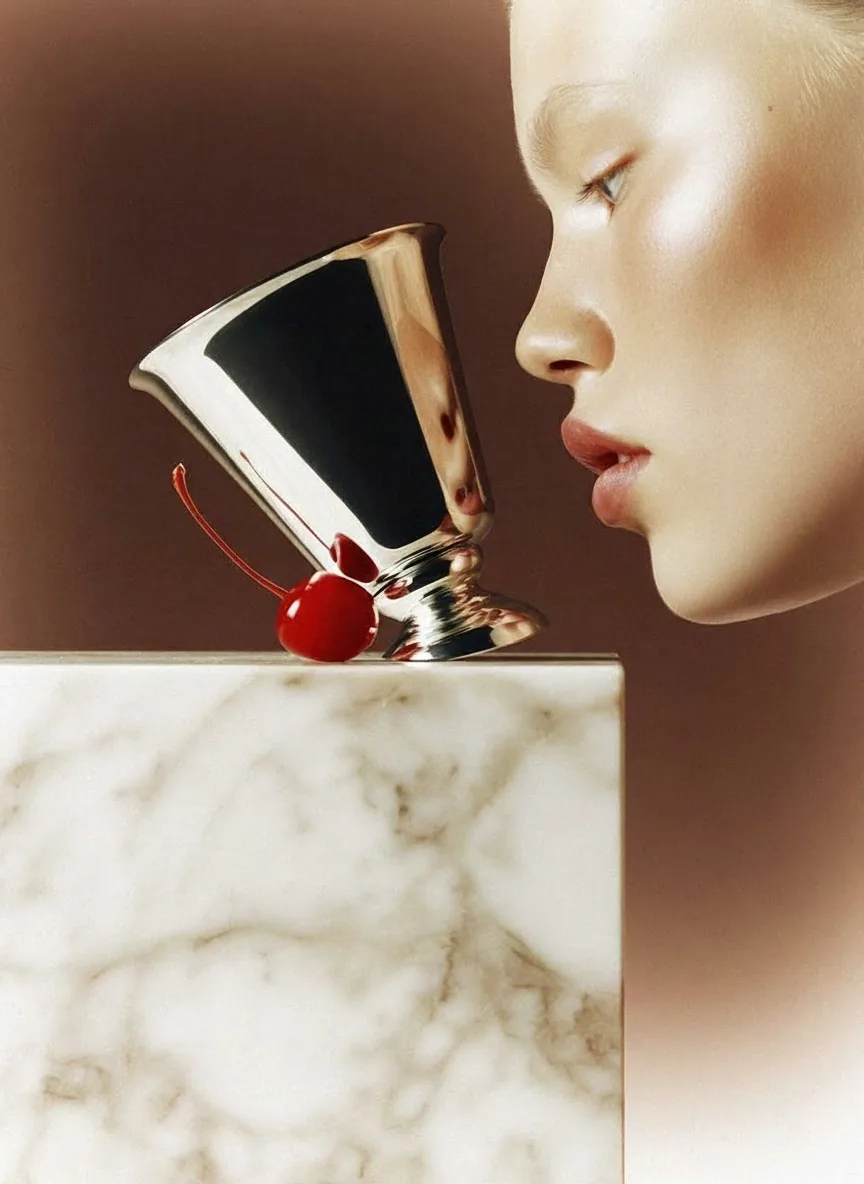
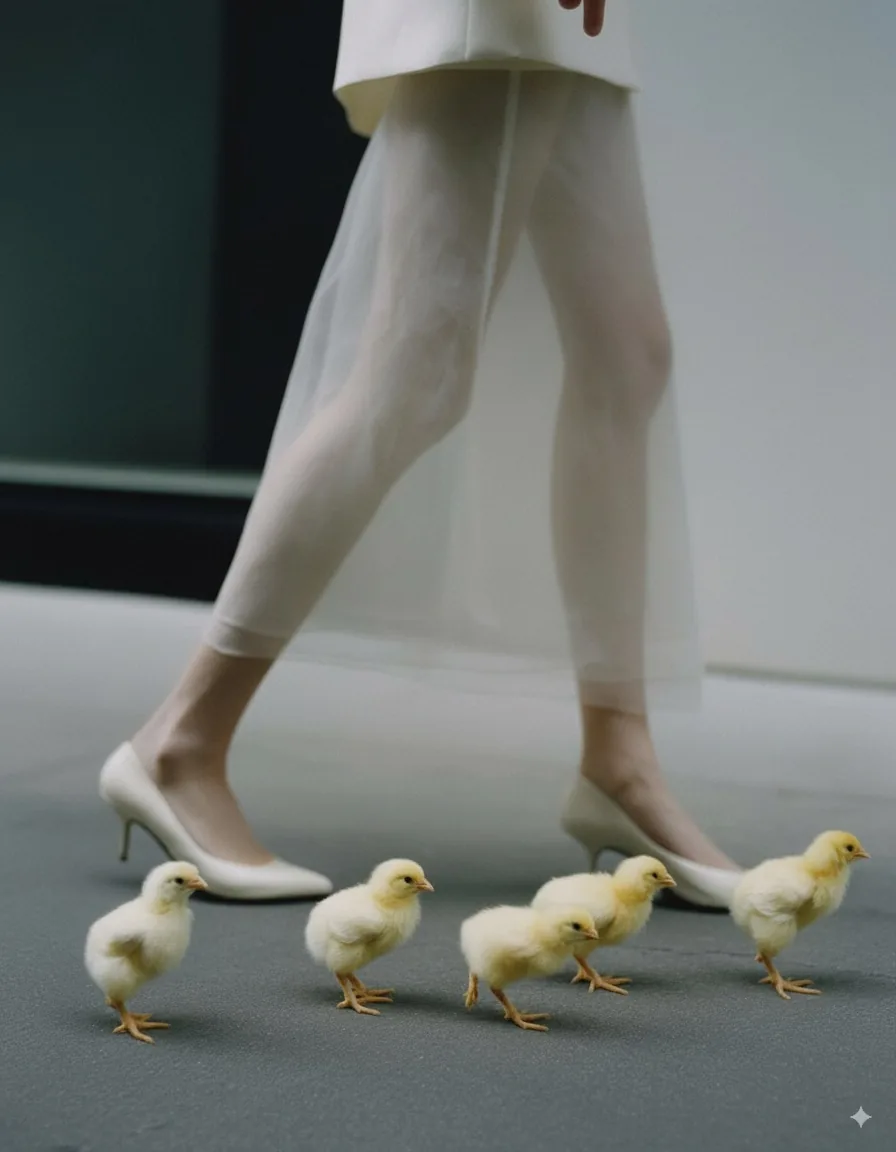
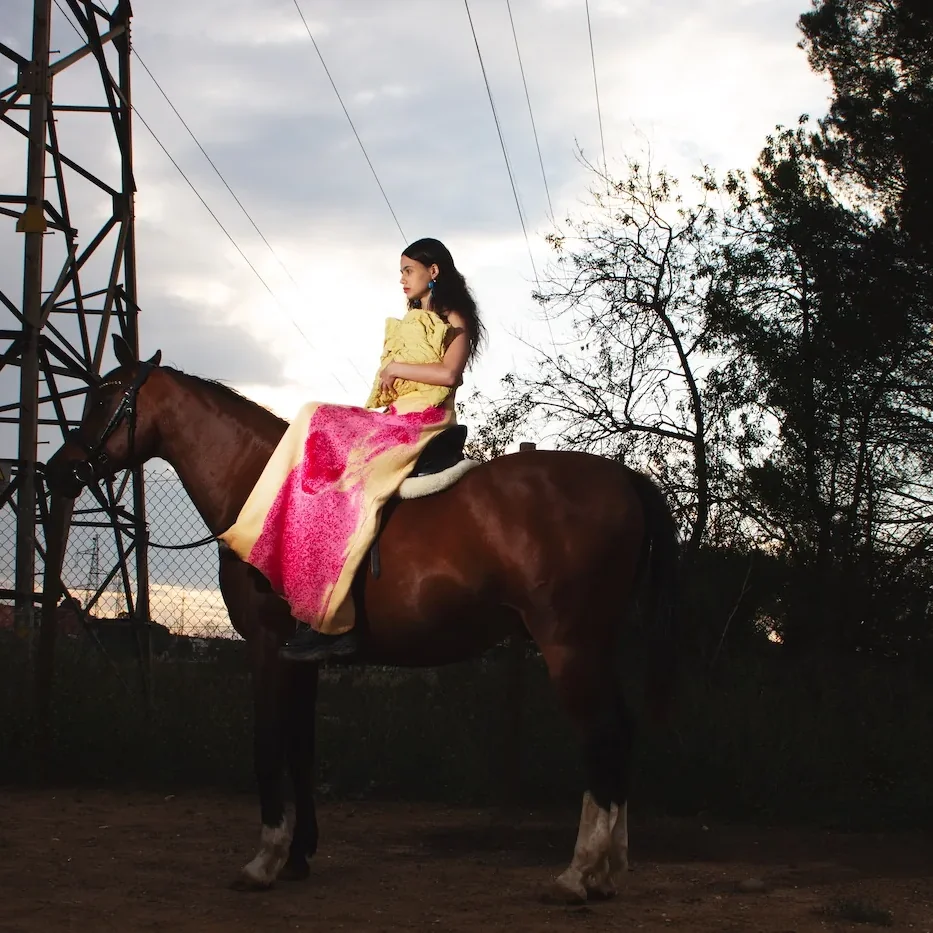
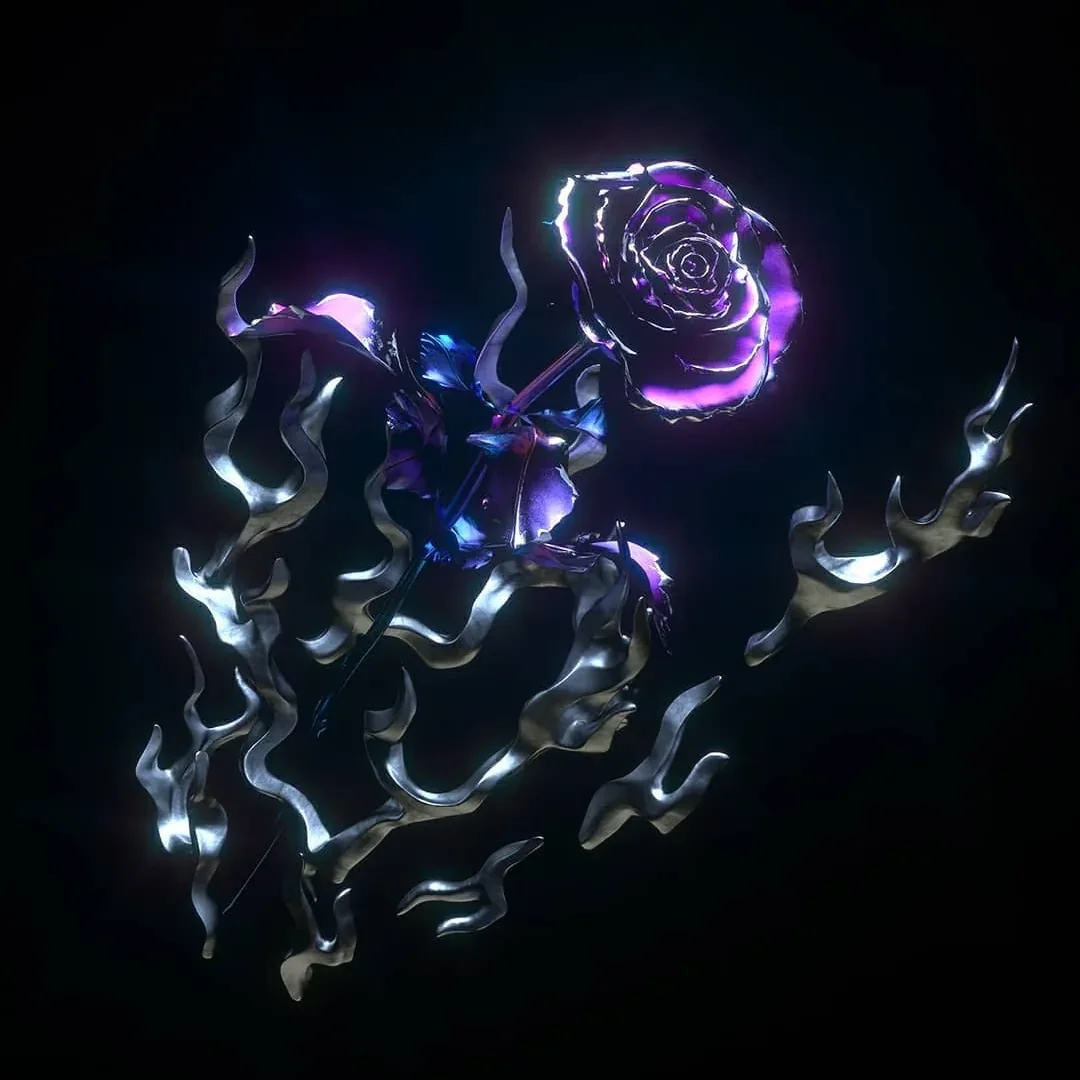
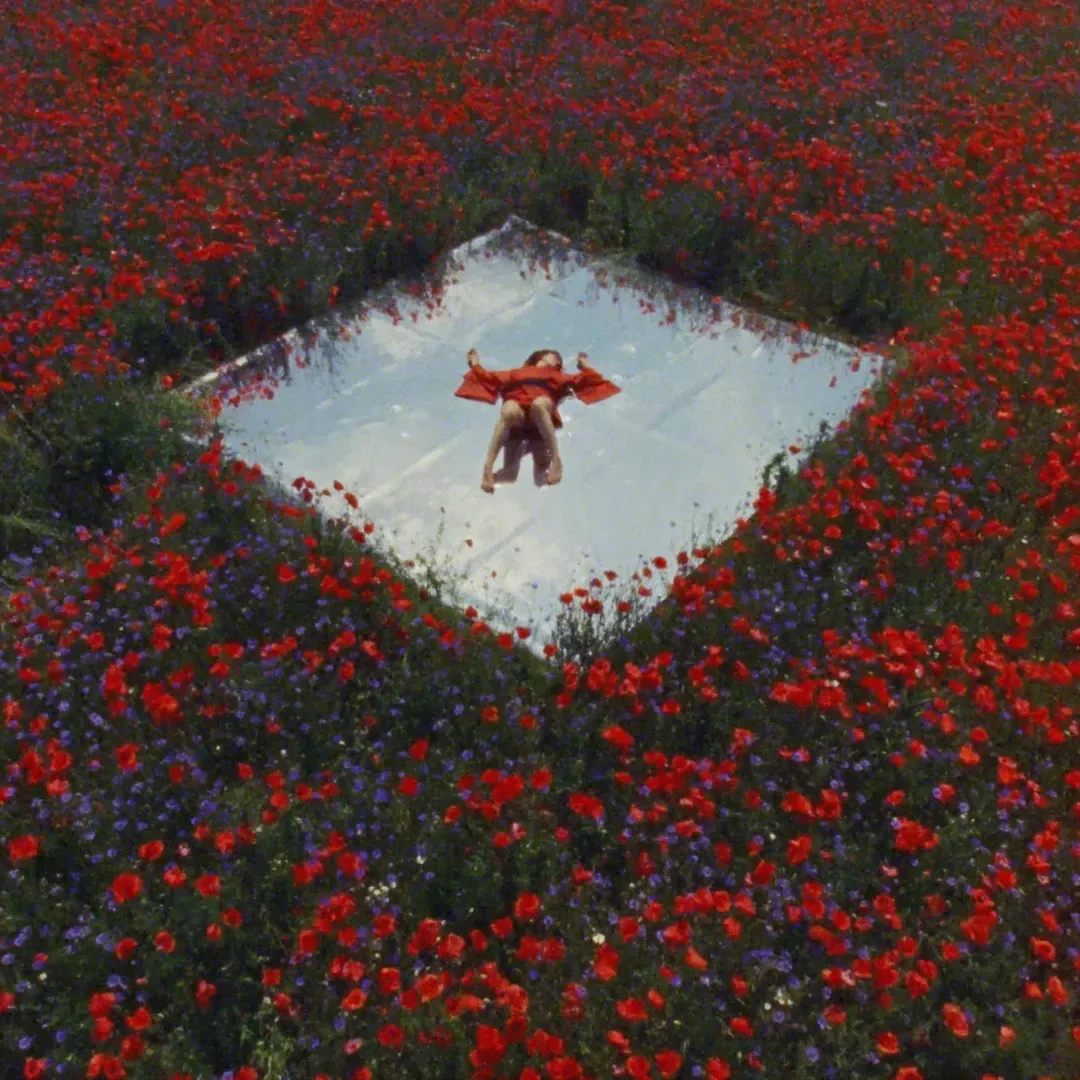
Selected work by Sybille de Saint Louvent
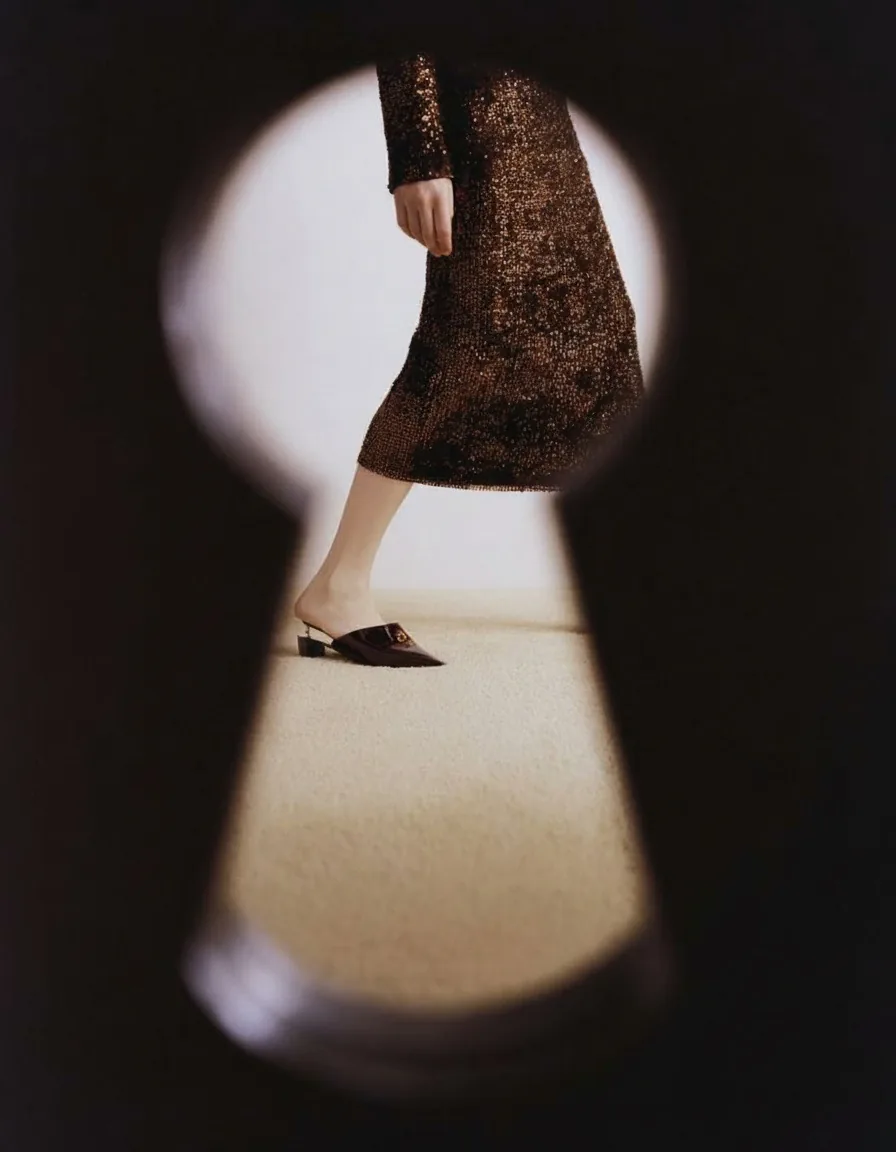
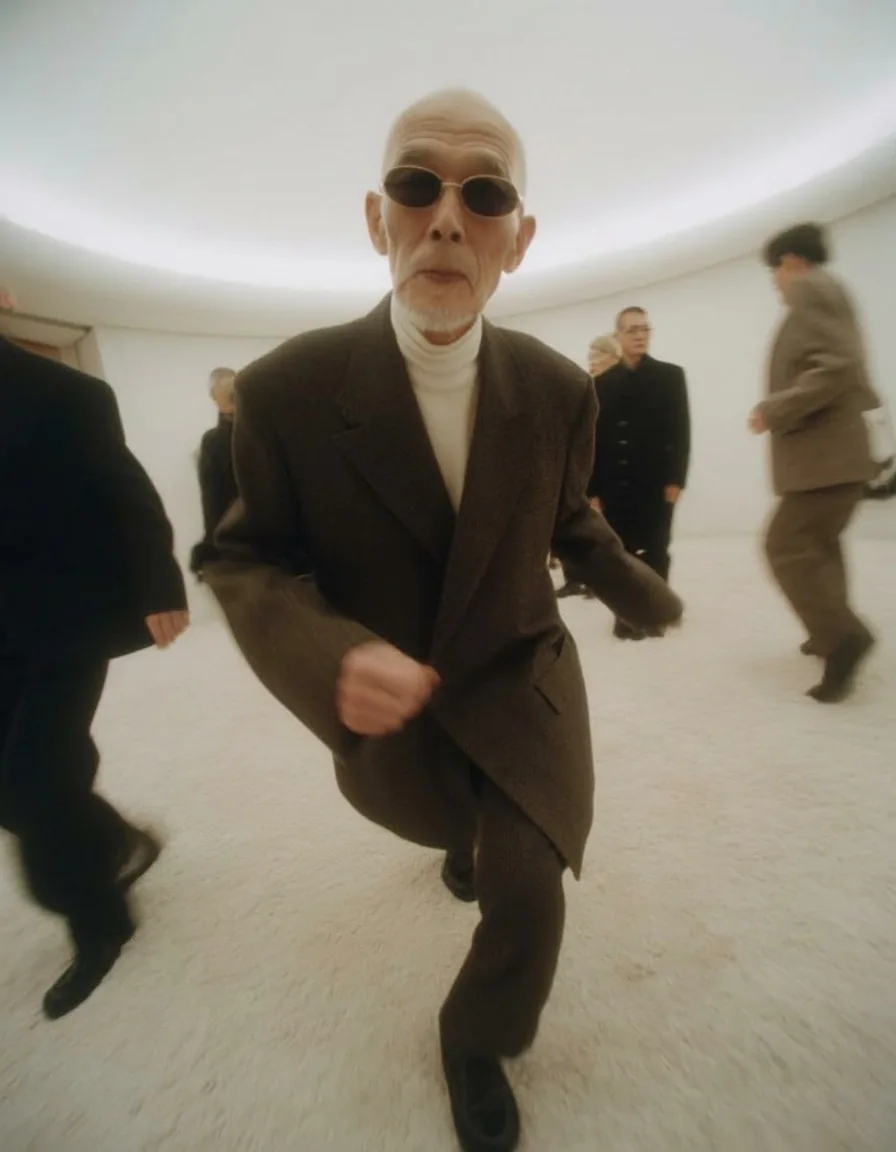
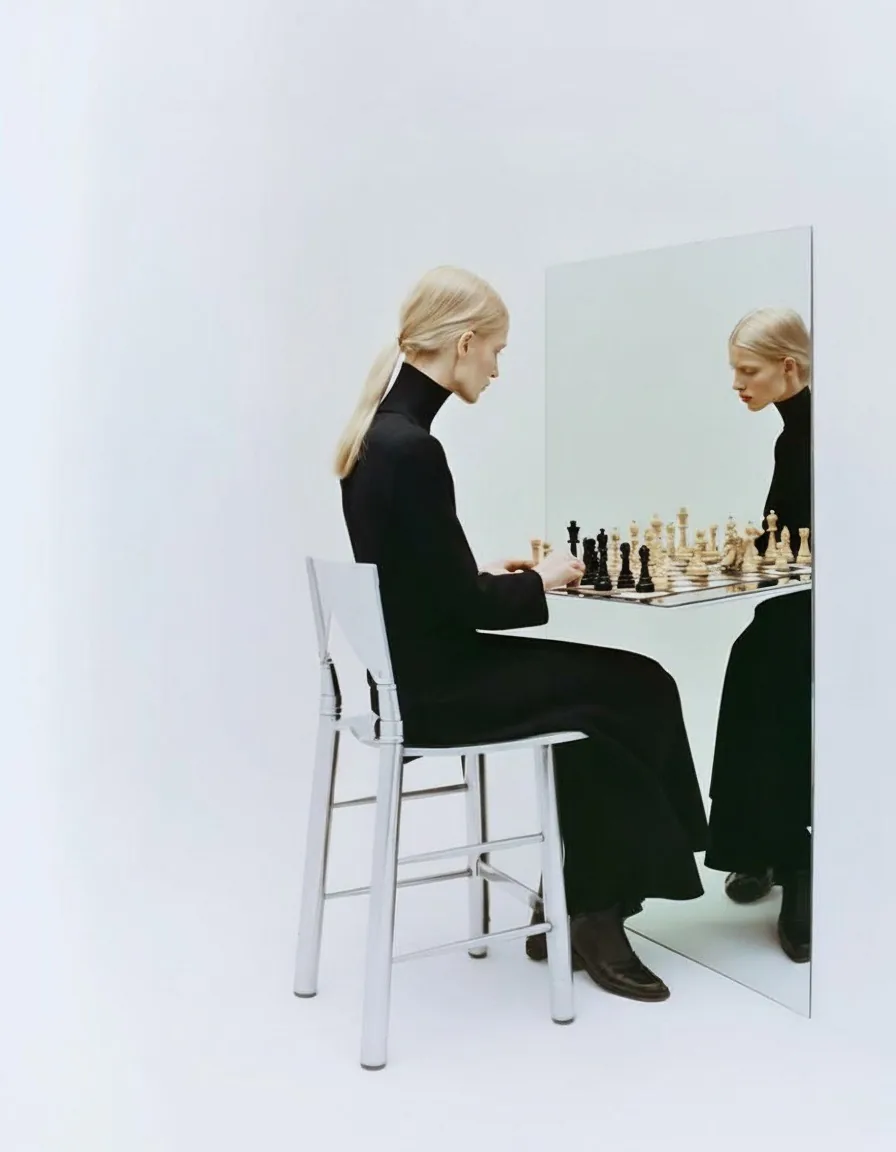
Got
Questions?

An independent French Creative Director working across luxury, art, culture and fashion, known for a strong, elegant creative vision.
By writing first, putting into words the tension or atmosphere she wants to explore, before anything visual takes shape.
She tested them lightly about a year and a half before the interview, then engaged more seriously around six months before.
Creating one visual campaign a day, every day, for 31 days.
Why something touches us, and the tension between what feels universal in an image and what is shaped by its era and context.
